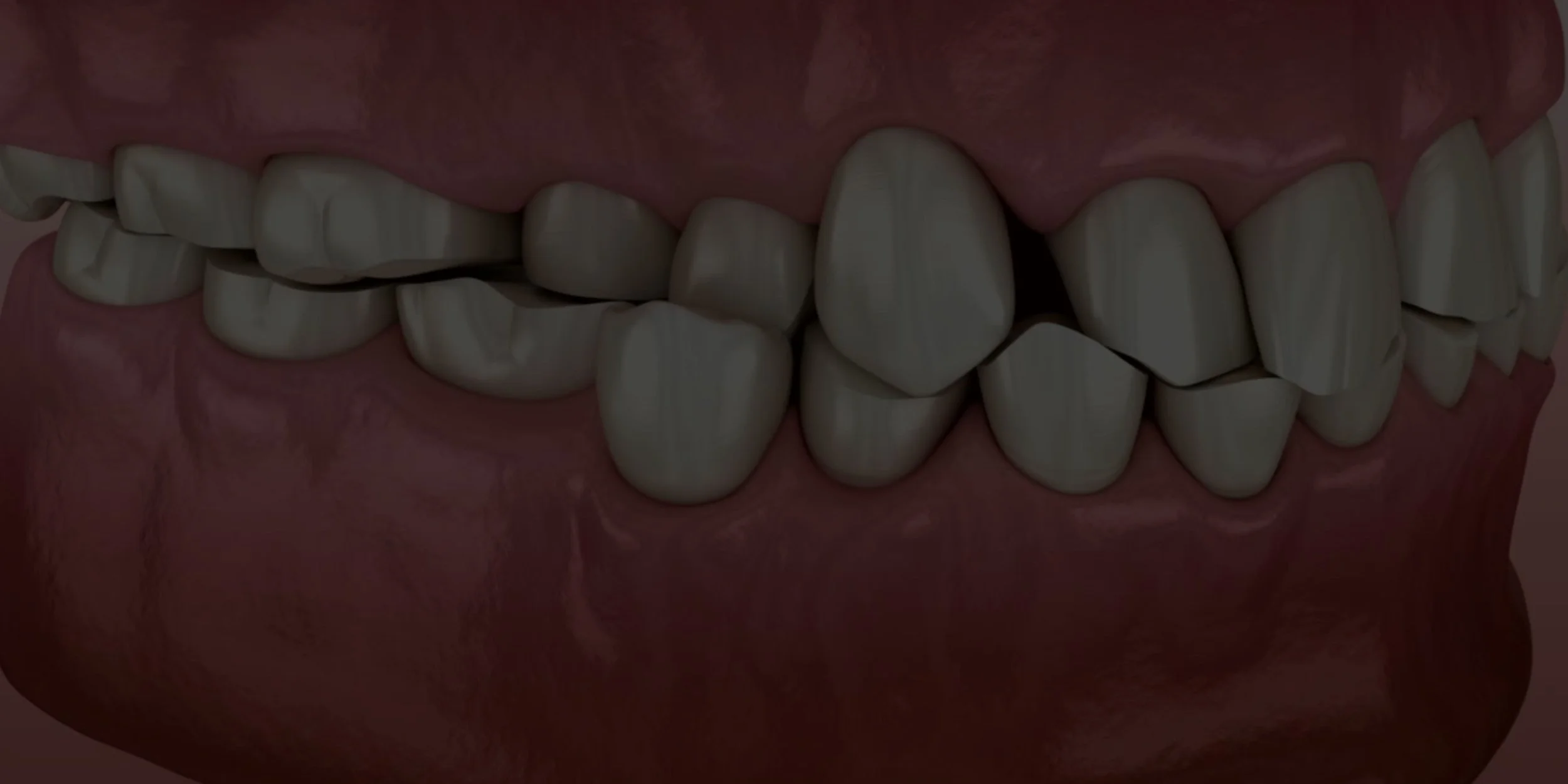
WORN TEETH
Worn teeth are the gradual loss of tooth structure from grinding, acidic foods, or erosion. Early treatment protects enamel, reduces sensitivity, and supports long-term oral health.
Worn teeth occur when the enamel—the protective outer layer of the tooth—gradually erodes due to mechanical or chemical factors. Treatment focuses on diagnosing the cause of wear and restoring lost tooth structure to improve function, comfort, and aesthetics. Worn teeth can cause sensitivity, chipping, flattening of teeth, or bite changes. Both younger adults with dietary habits or bruxism and older patients with long-term wear are commonly affected.
Diagnosis includes a detailed oral examination, assessment of symptoms, bite analysis, digital scans or X-rays, and evaluation of lifestyle habits. Components of worn teeth treatment typically include dental examinations, imaging, preventive splints, restorative procedures, and follow-up care to protect remaining enamel. Because enamel cannot be naturally replaced, early interceptive strategies are vital to prevent further damage.
UNDERSTANDING WORN TEETH
CHOOSE WORN TEETH AT ACCENT DENTAL CARE
Accent Dental Care provides personalised, professional care for worn teeth using advanced diagnostics and modern restorative techniques. Our team recognises that worn teeth are often multifactorial—related to diet, bruxism, and erosion—and designs treatment plans tailored to each patient. We work closely with an international oral design dental technician, using digital design and high-quality materials to rebuild lost tooth structure and restore your smile effectively.
Experienced Dentists
Skilled in assessing, preventing, and restoring worn teeth, from early enamel loss to full-mouth rehabilitation.
Comprehensive Care
We address the cause of wear, provide preventive splints, and restore function and aesthetics using advanced techniques.
Patient Comfort Focus
Gentle methods and clear communication ensure a comfortable, stress-free experience.
Long-Term Results
Treatments are designed to protect enamel, improve bite, and maintain oral health over time.
BENEFITS OF
WORN TEETH TREATMENT
Treating worn teeth provides long-term protection, improved function, and enhanced appearance.
Protects Remaining Enamel
Early intervention prevents further enamel loss, preserving the natural structure of your teeth.
Reduces Tooth Sensitivity
Restorative procedures and protective splints help minimise discomfort from exposed dentin.
Restores Tooth Structure
Advanced materials rebuild worn or chipped teeth, restoring function and durability.
Improves Chewing Function
Restored teeth support proper bite alignment for comfortable chewing and speech.
Enhances Smile Appearance
Rebuilding lost tooth structure improves aesthetics and boosts self-confidence.
Prevents Further Damage
Treatment addresses the causes of wear, such as grinding or diet, reducing future complications.
Supports Jaw and Bite Health
Properly restored teeth stabilise the bite and reduce jaw strain.
TREATMENT PROCESS AT Accent Dental Care
 01.
01.
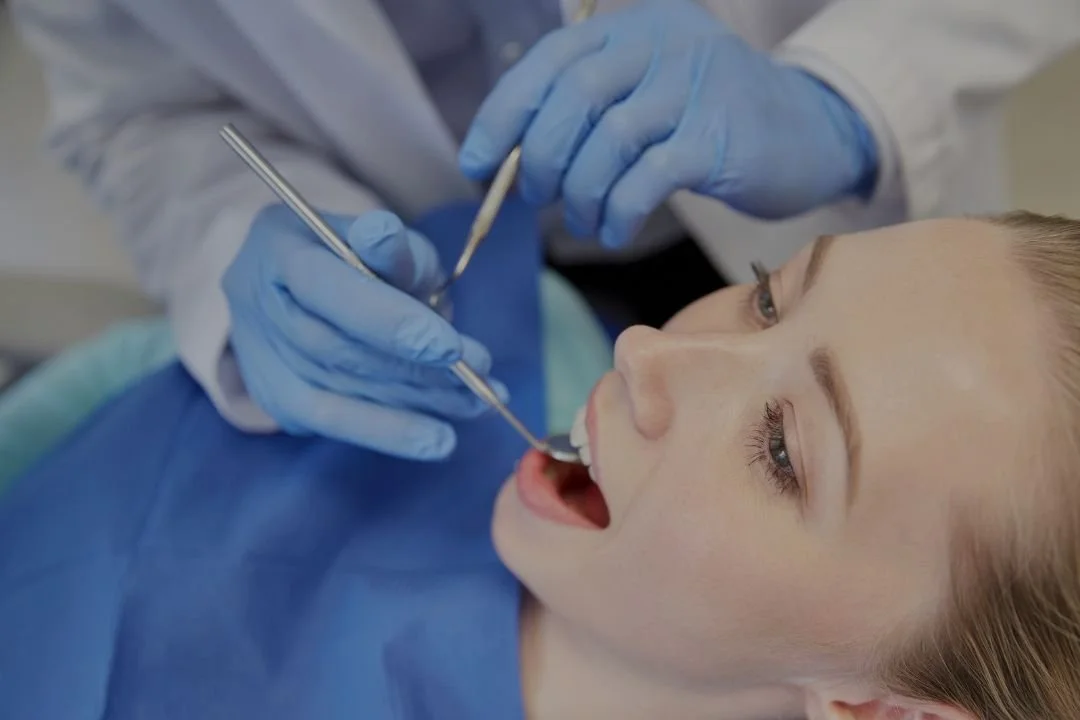
Initial Consultation & Examination
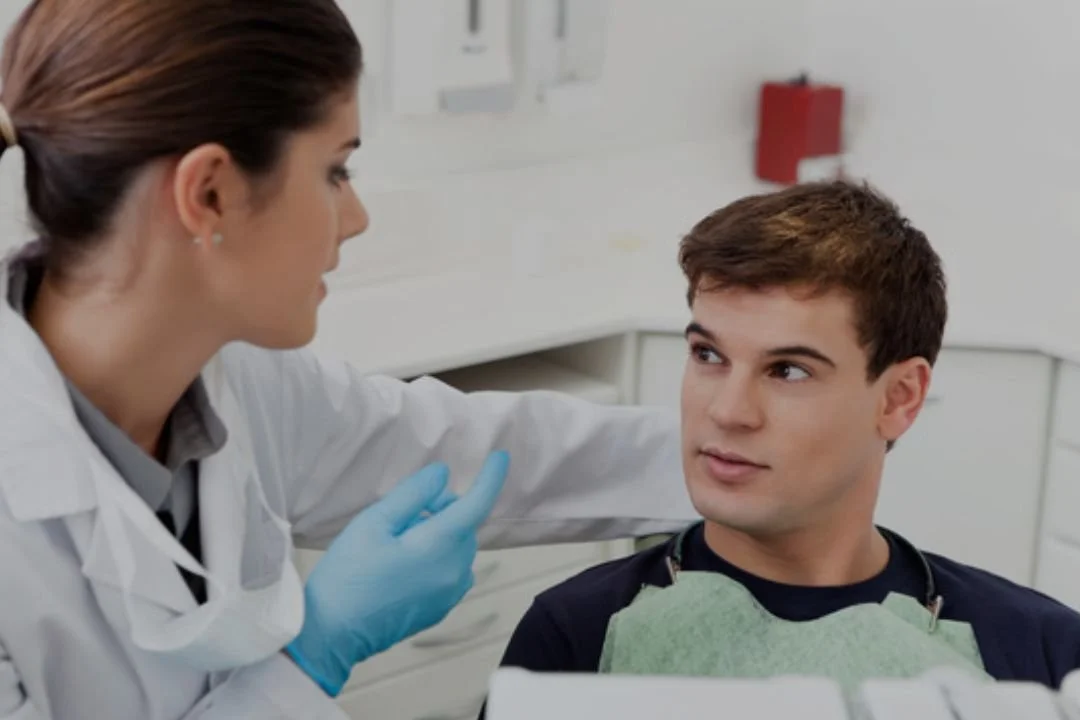
Dentists evaluate the extent of wear, symptoms, and contributing factors such as grinding or acid exposure.
 02.
02.
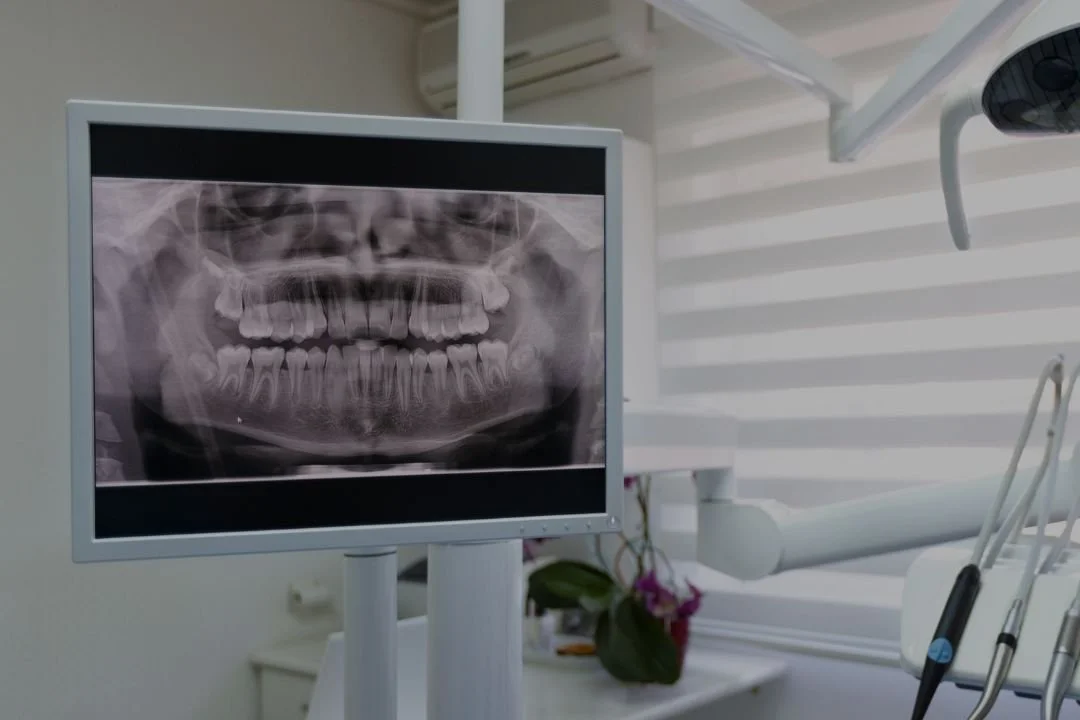
X-rays or Digital Scans
Imaging provides a clear view of tooth structure, bite, and potential underlying damage.
 03.
03.
Personalised Treatment Plan
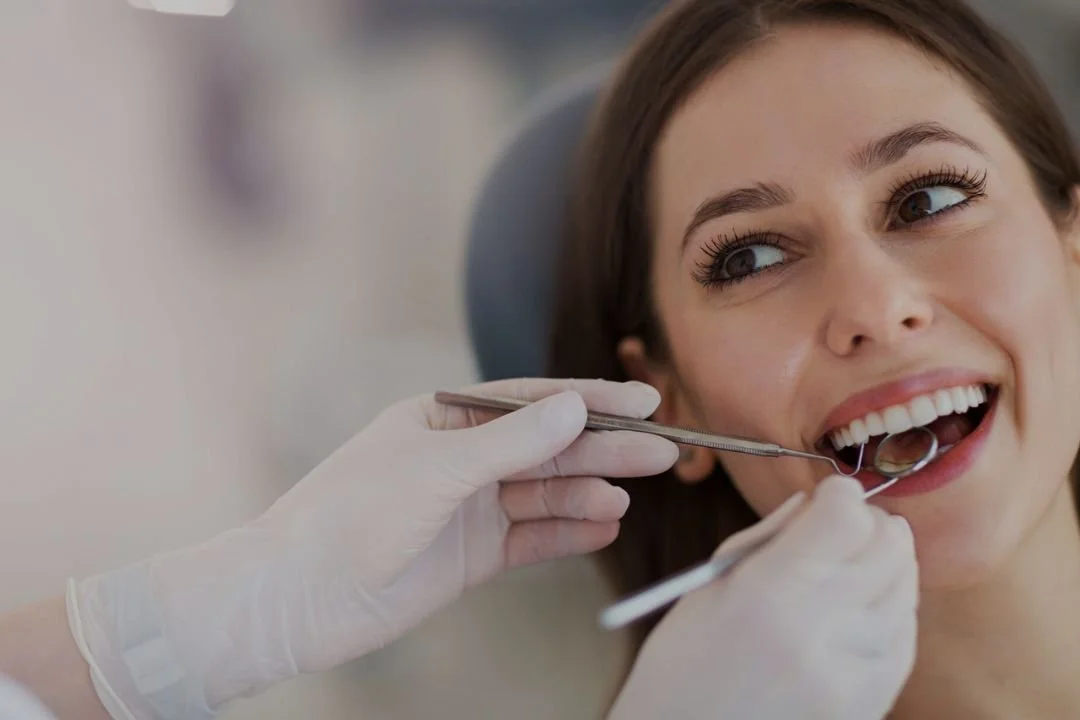
A tailored plan may include occlusal splints, enamel protection, or restorative rebuilding based on severity.
 04.
04.
Treatment Procedure
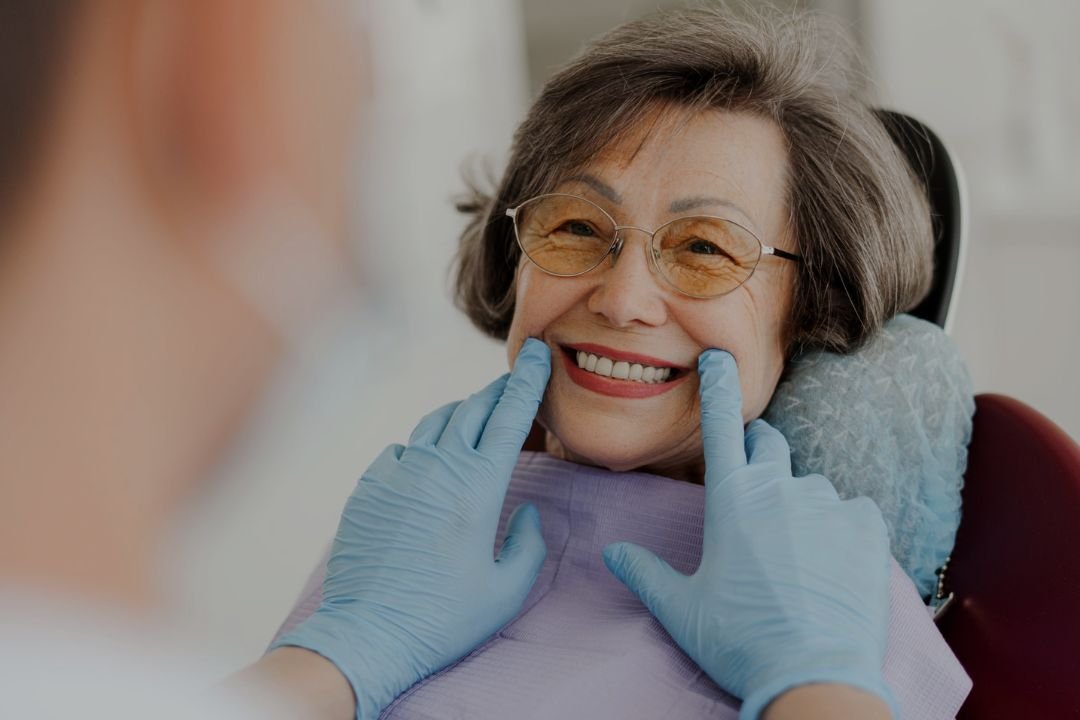
Depending on needs, treatments may involve preventive splints, composite bonding, crowns, or full-mouth rehabilitation using digital design and high-quality materials.
 05.
05.
Aftercare & Follow-Up
Guidance is provided on protecting restored teeth, managing wear habits, and maintaining enamel health with regular check-ups.
Types of Worn Teeth Services
-
Custom night guards protect teeth from grinding, ideal for early wear. Benefits include reduced enamel loss and relief from jaw tension.
-
Rebuild worn surfaces using composite resin or ceramic crowns. Suitable for moderate to severe wear, improving bite and aesthetics.
-
Comprehensive restoration for extensive wear using digital design and high-quality materials. Benefits include functional improvement and a revitalised smile.
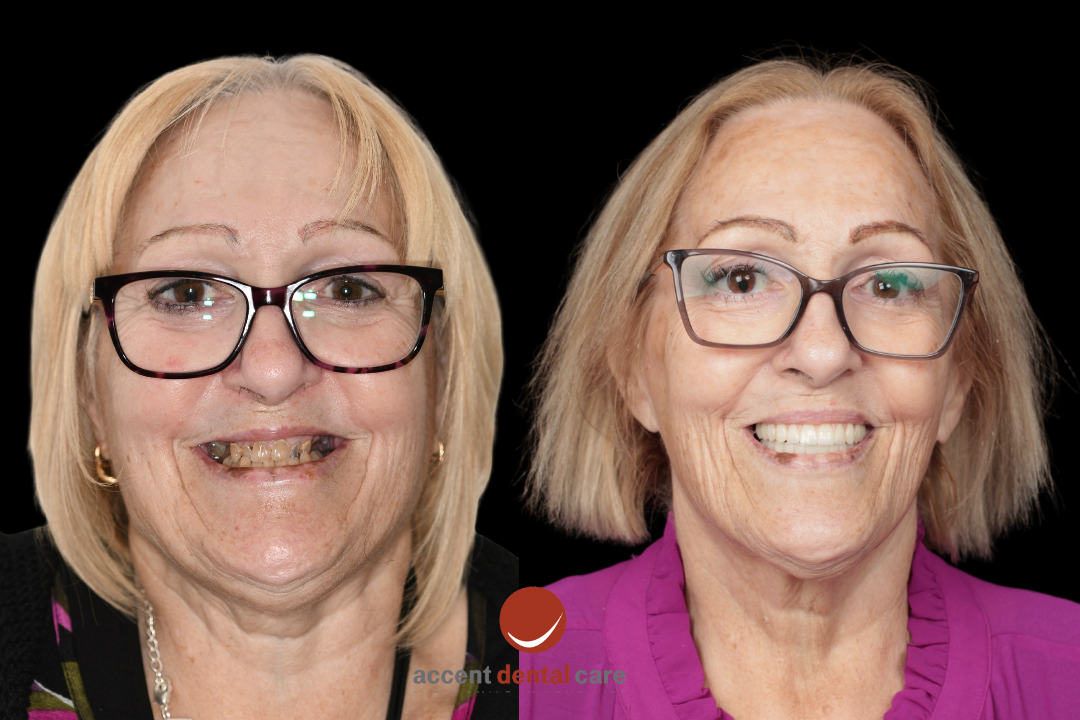
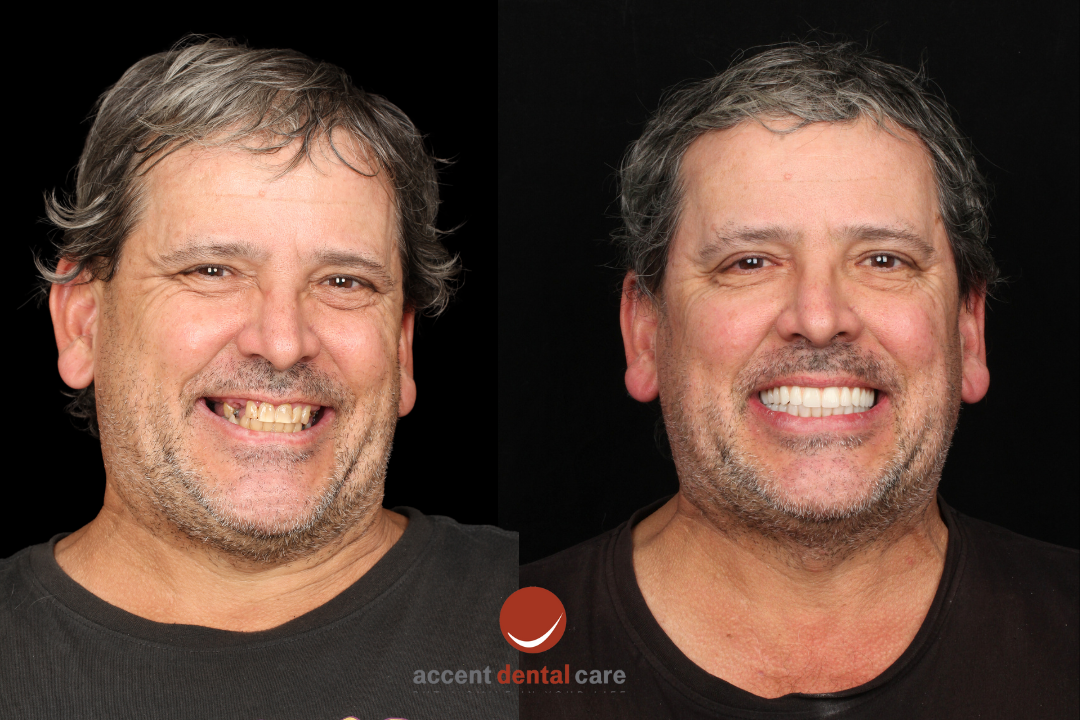
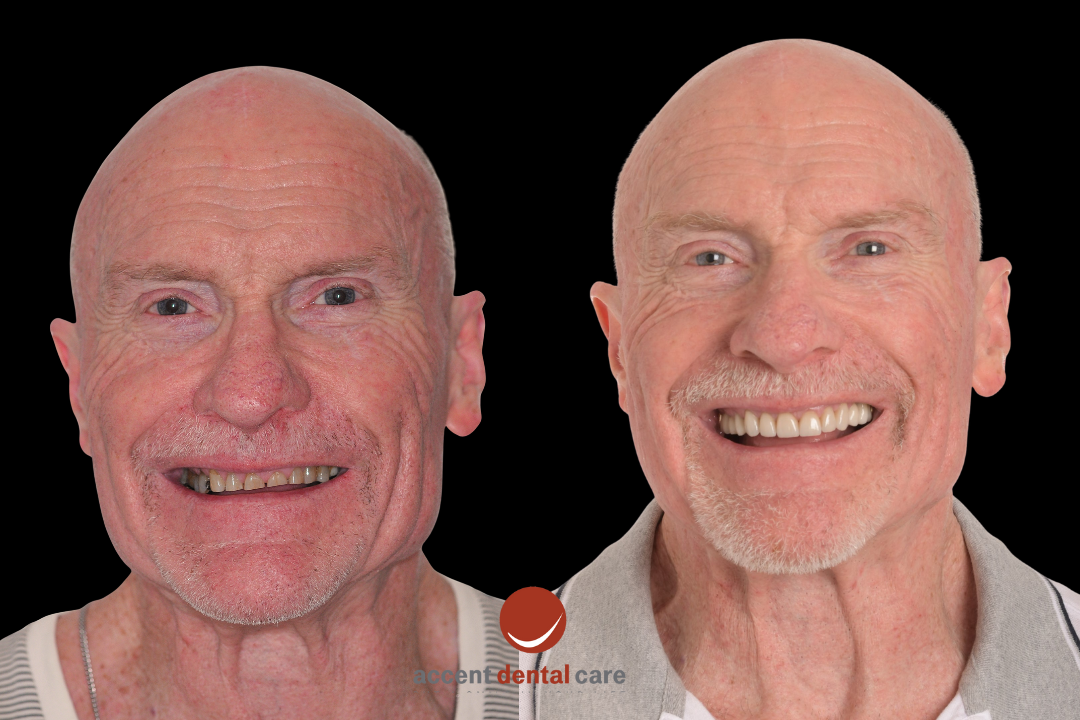
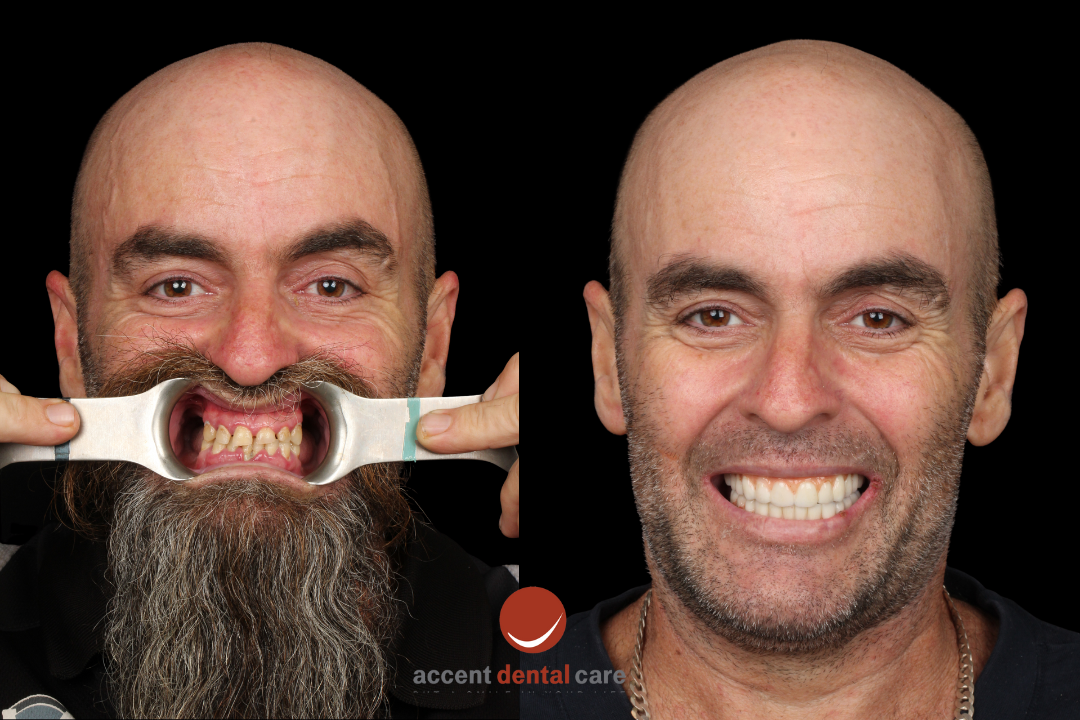
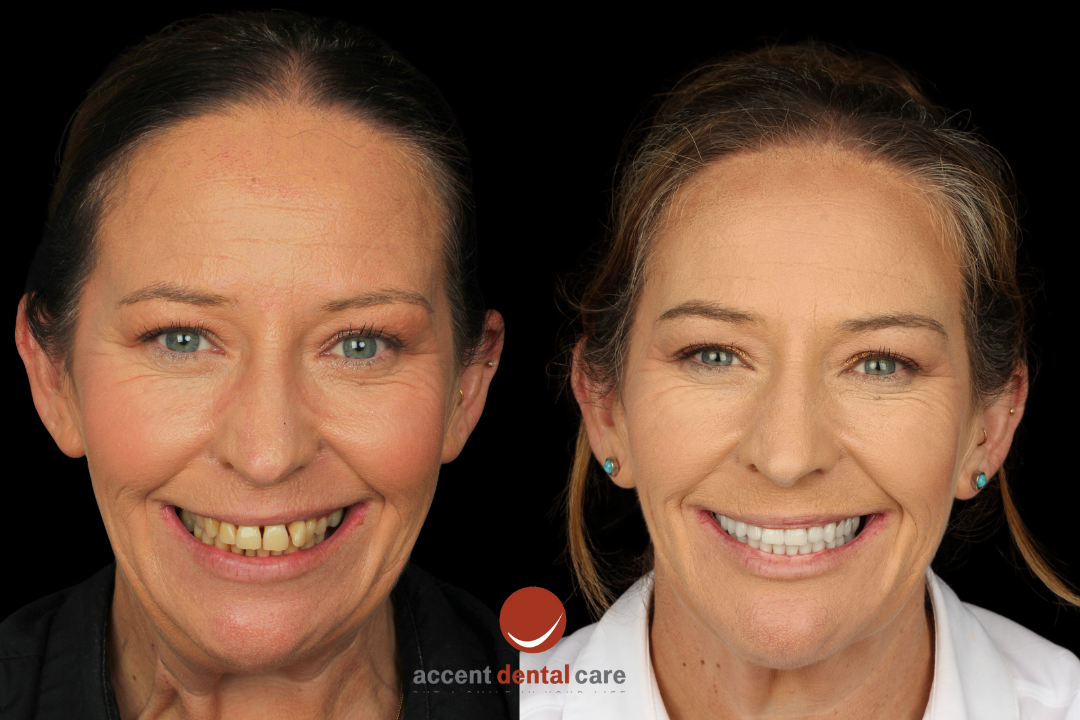
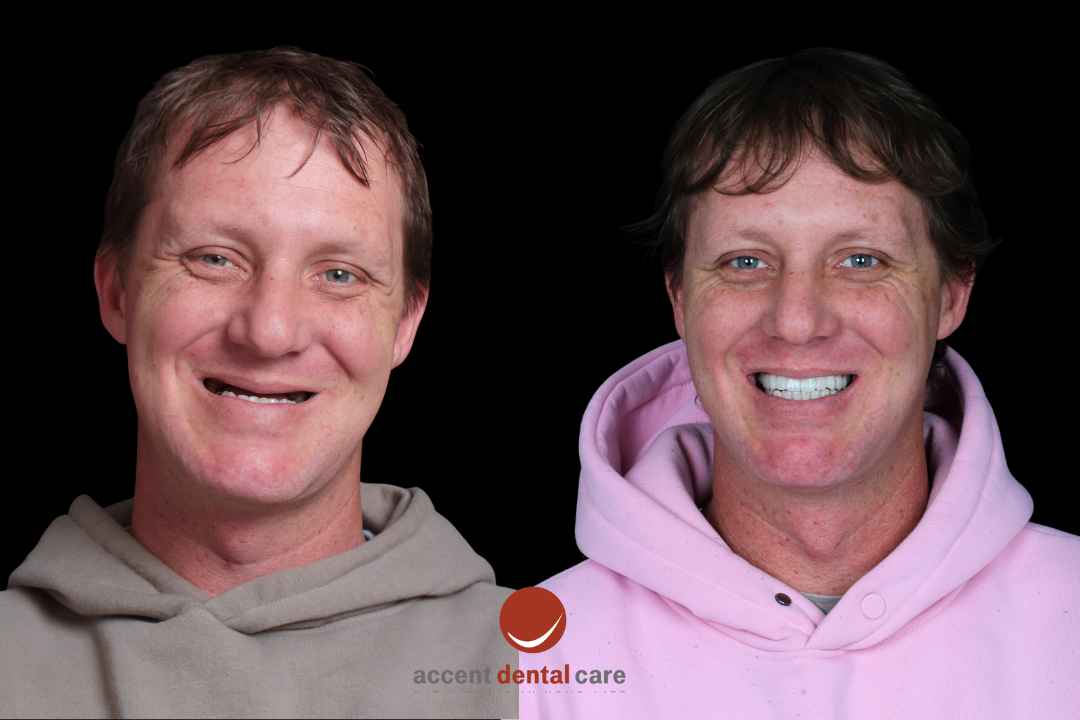
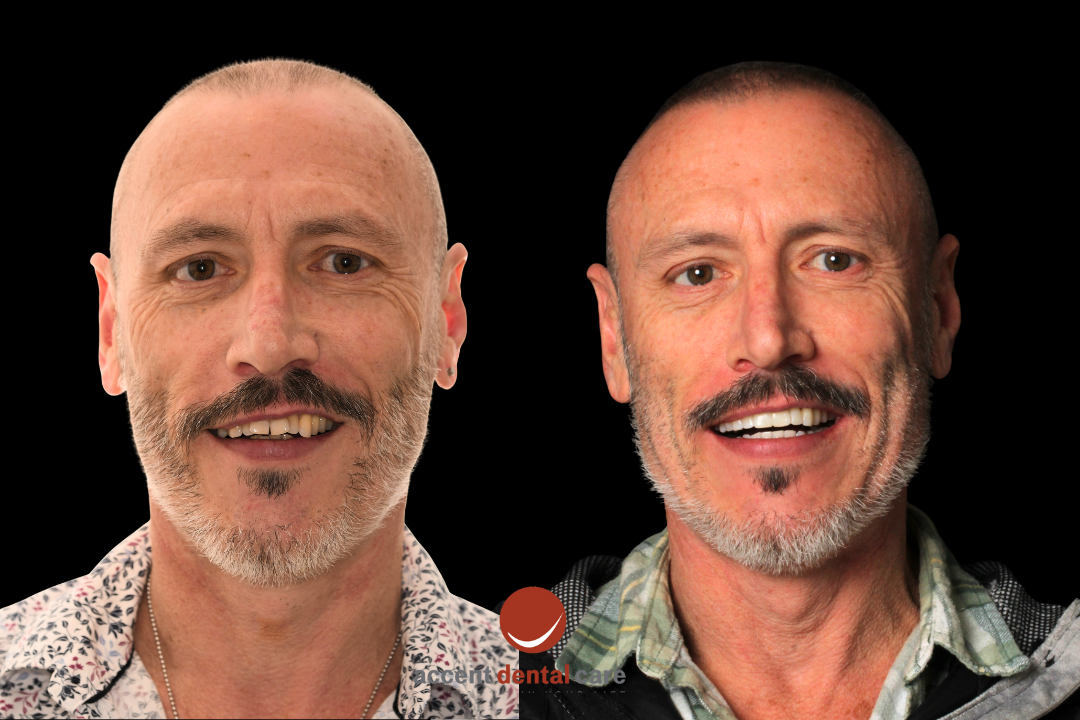
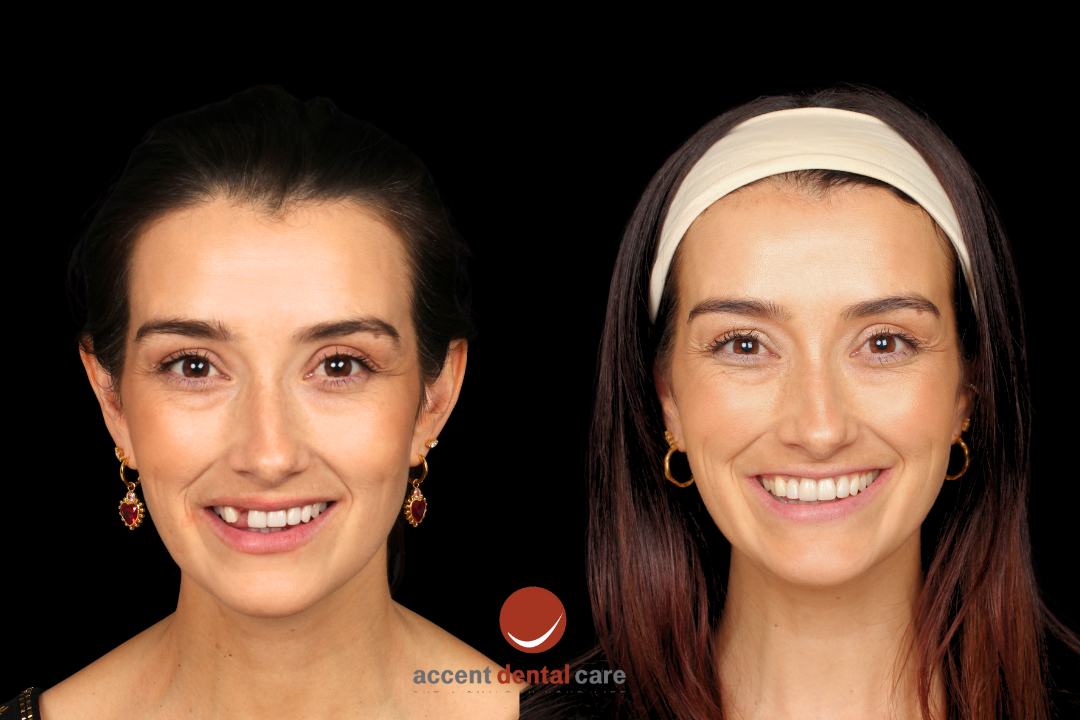
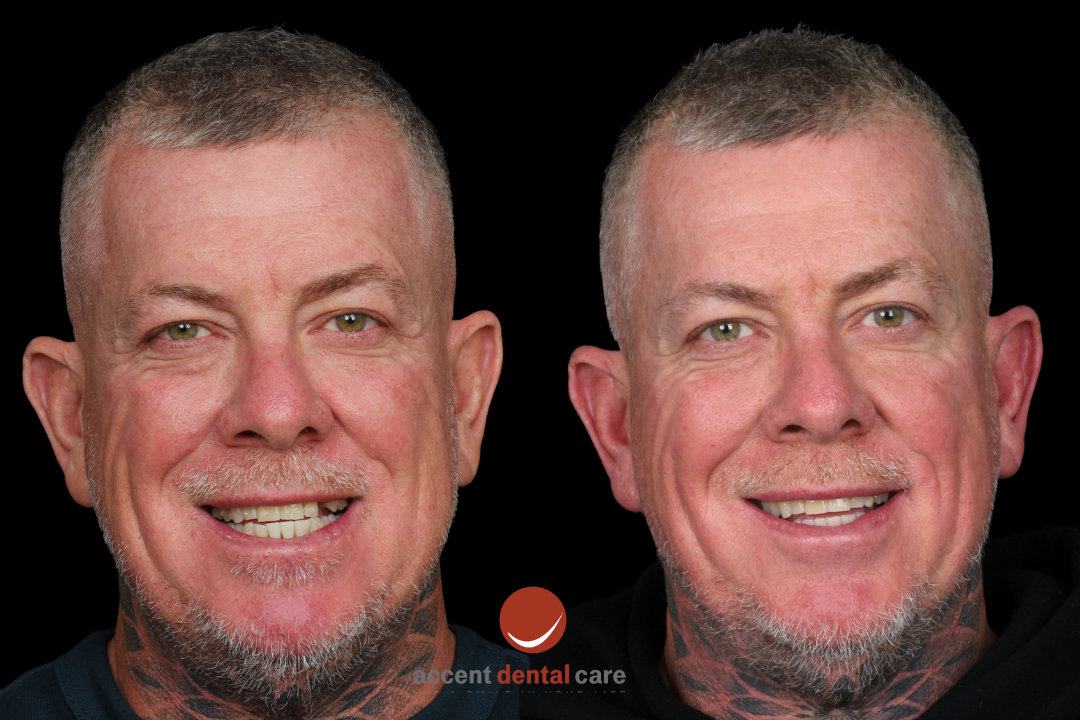
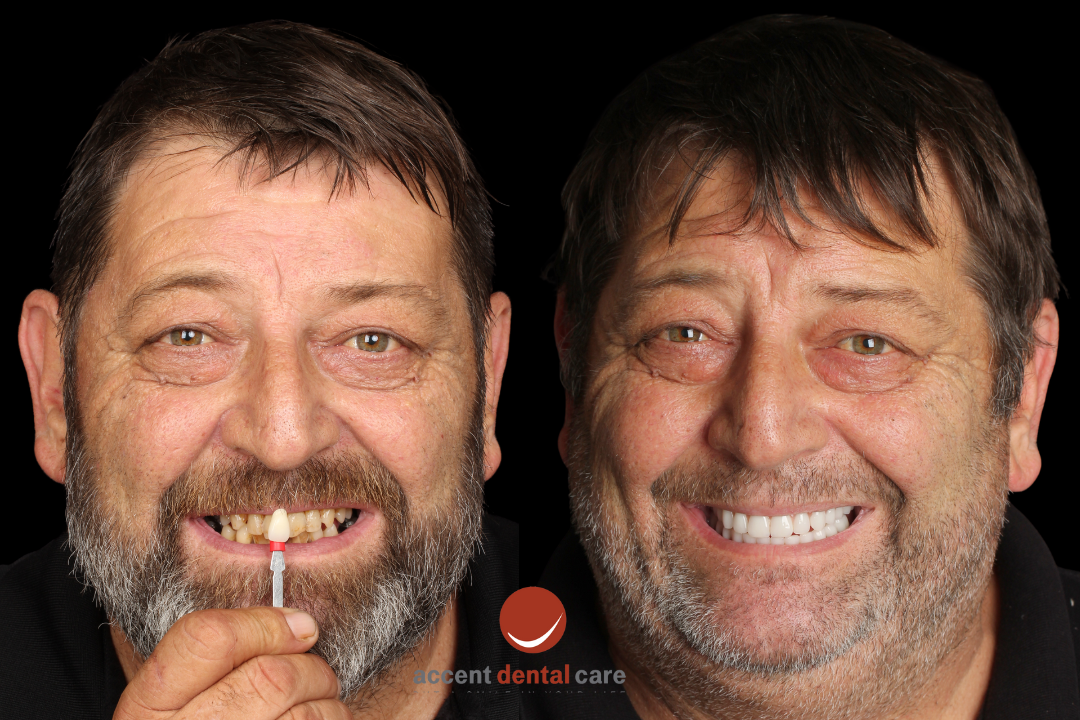
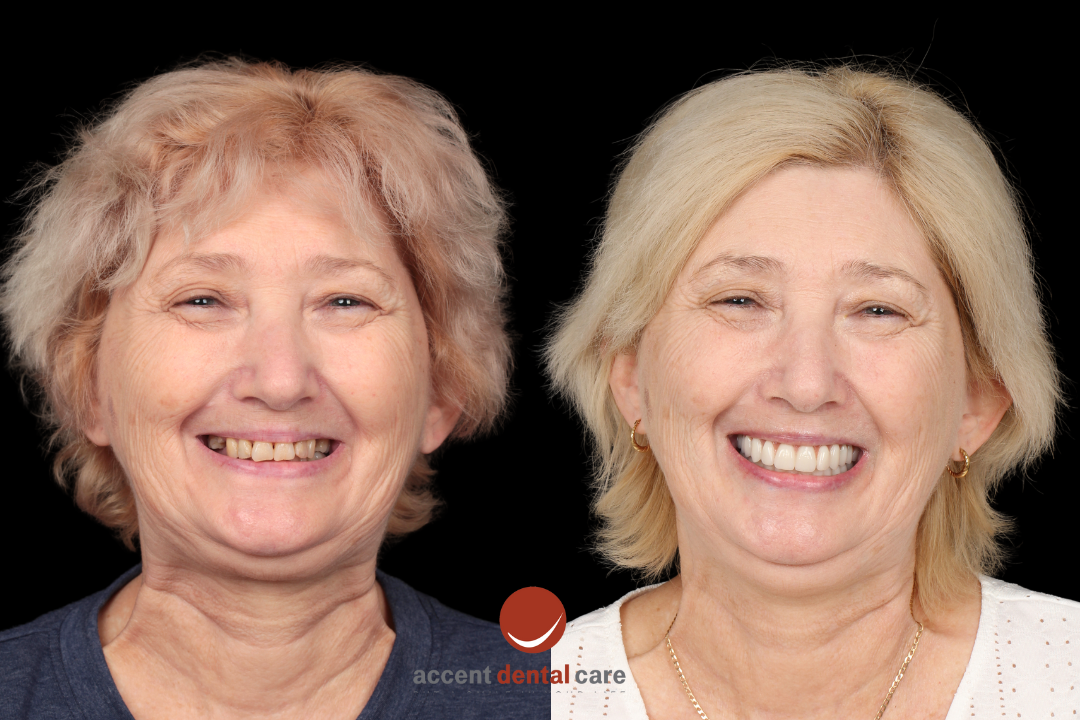
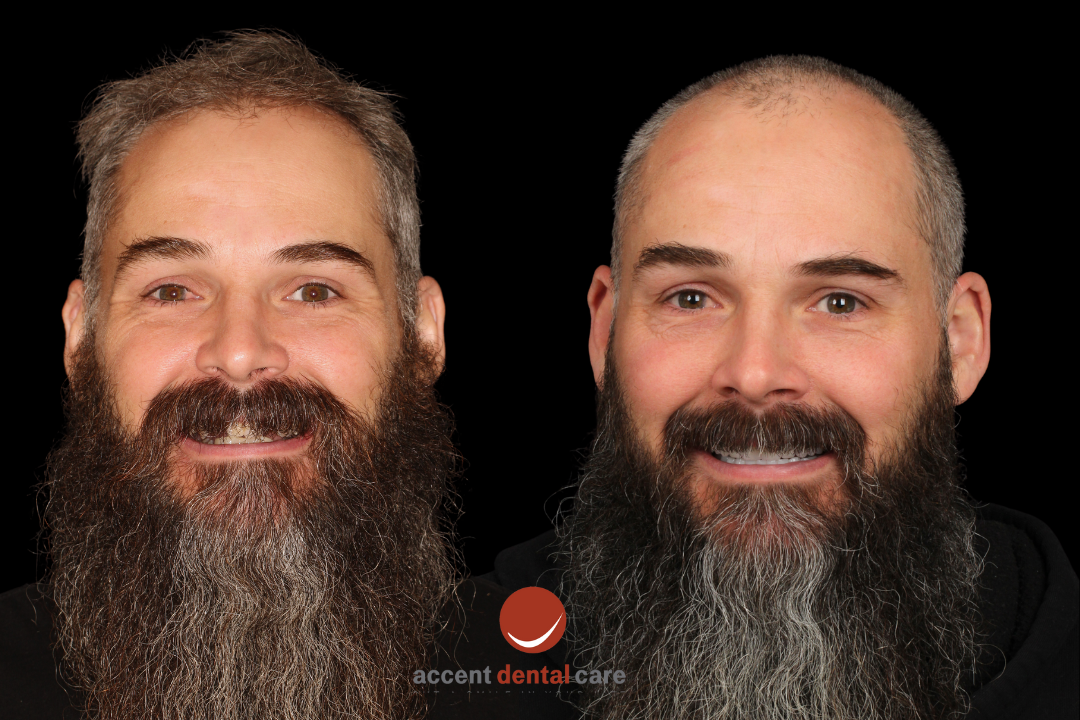
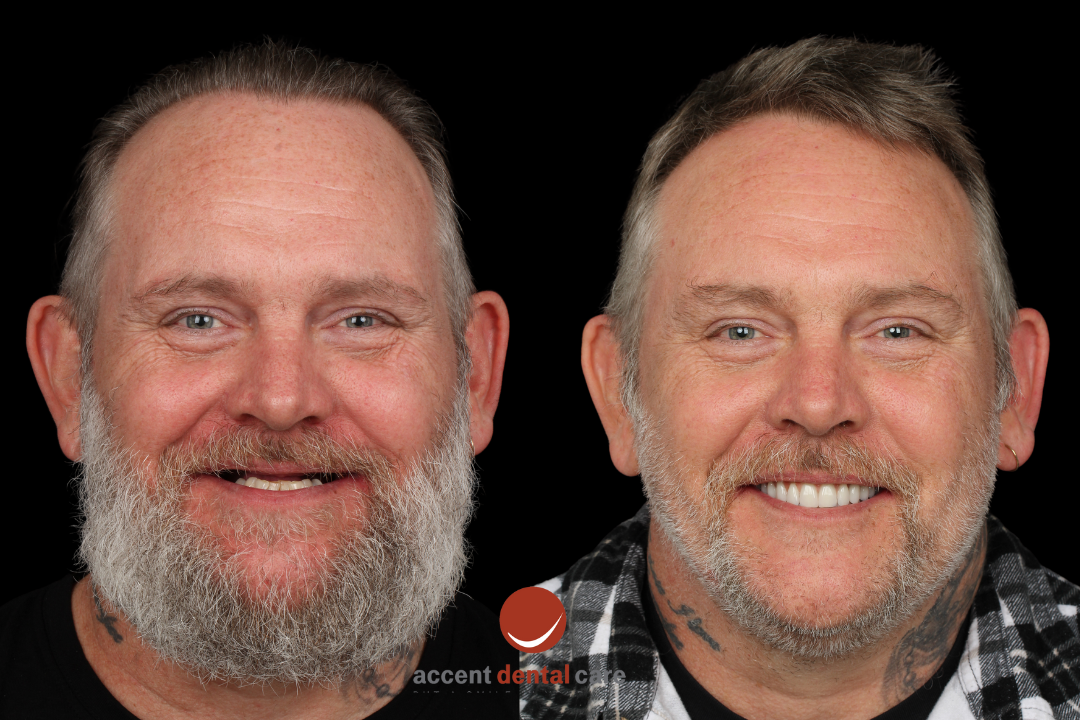
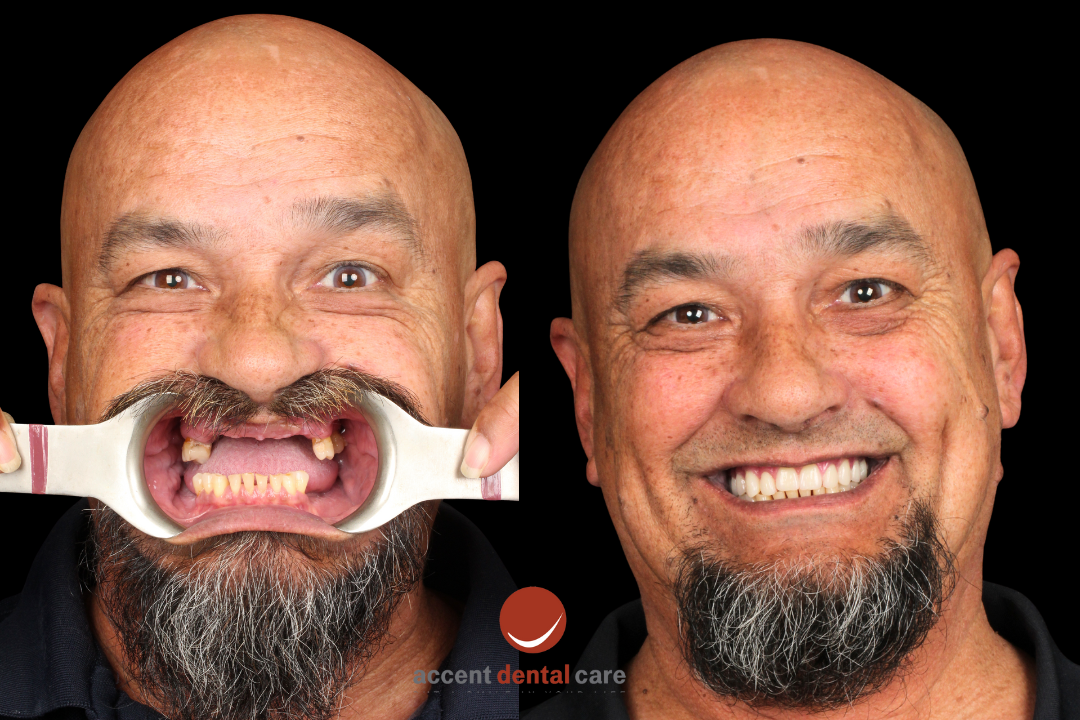
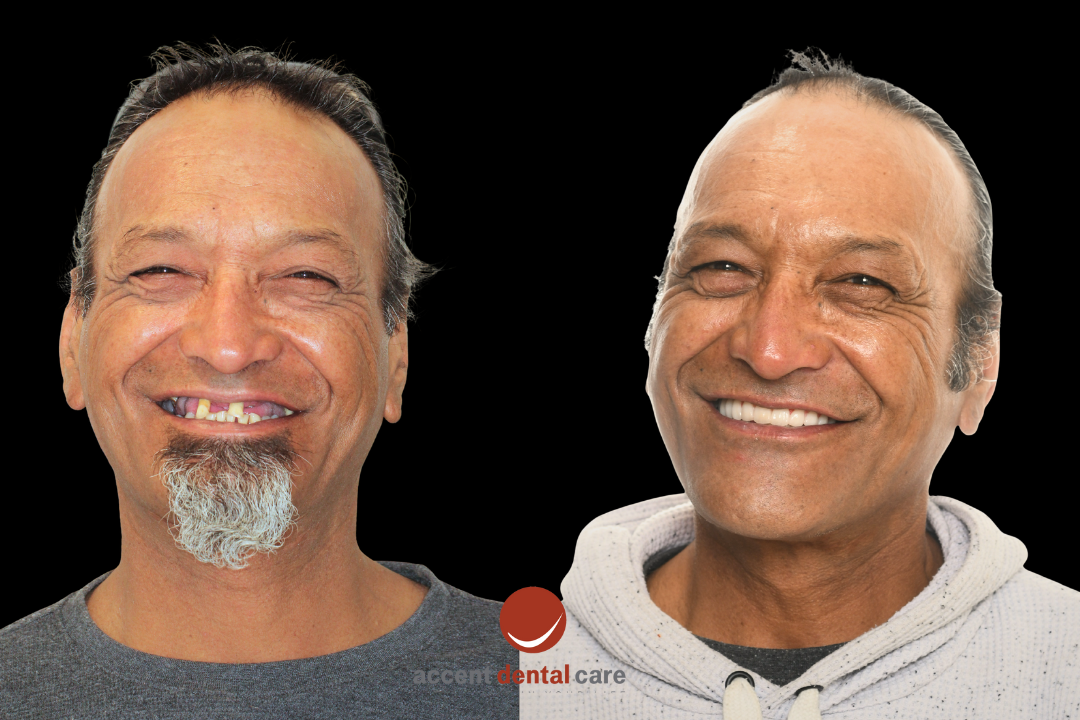
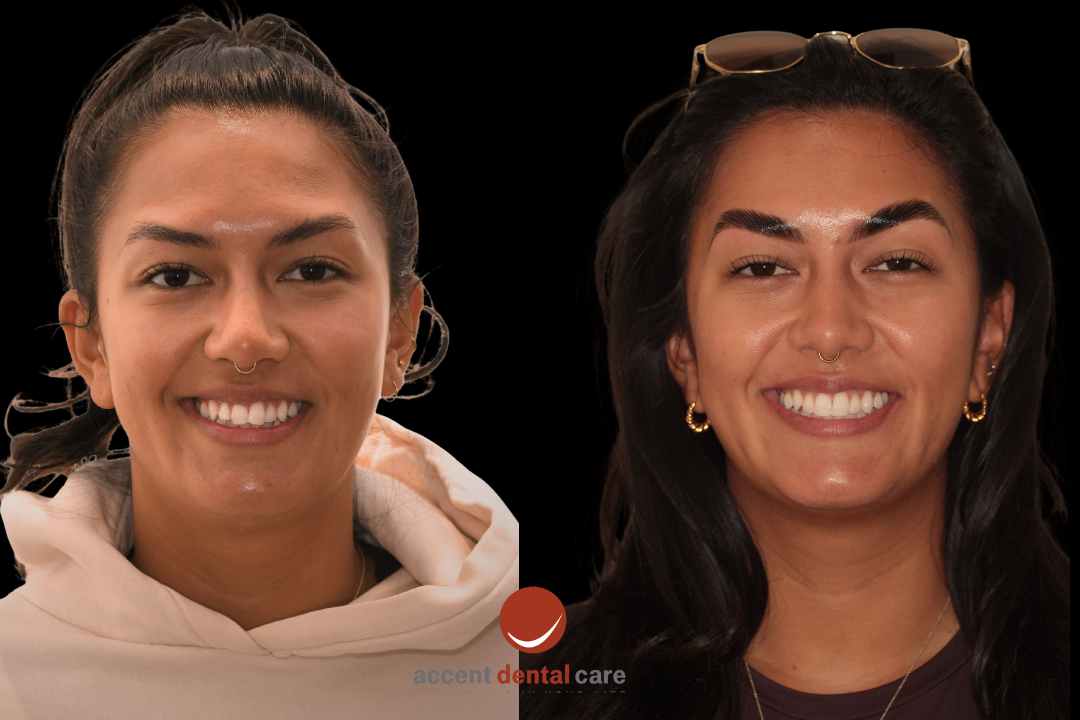
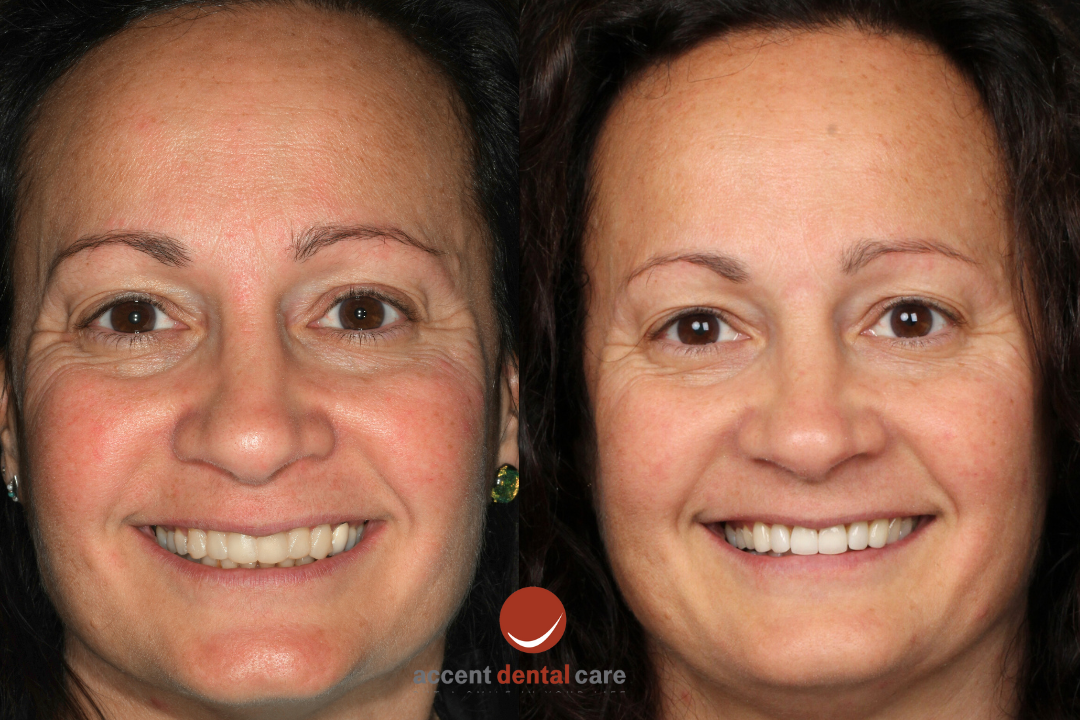
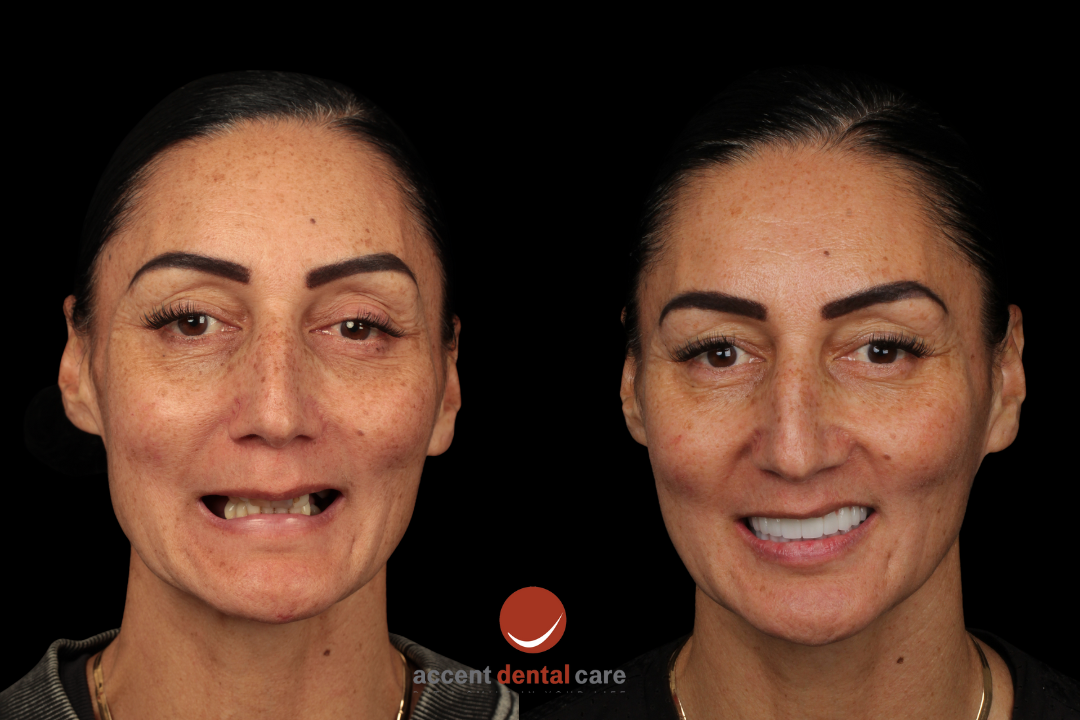
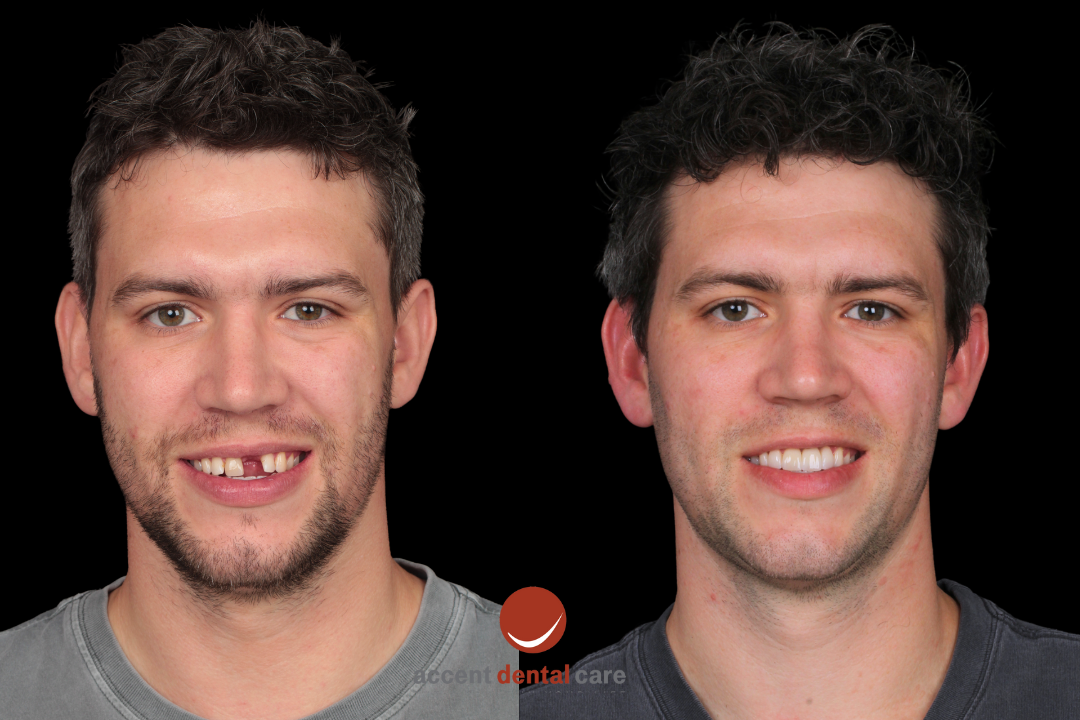
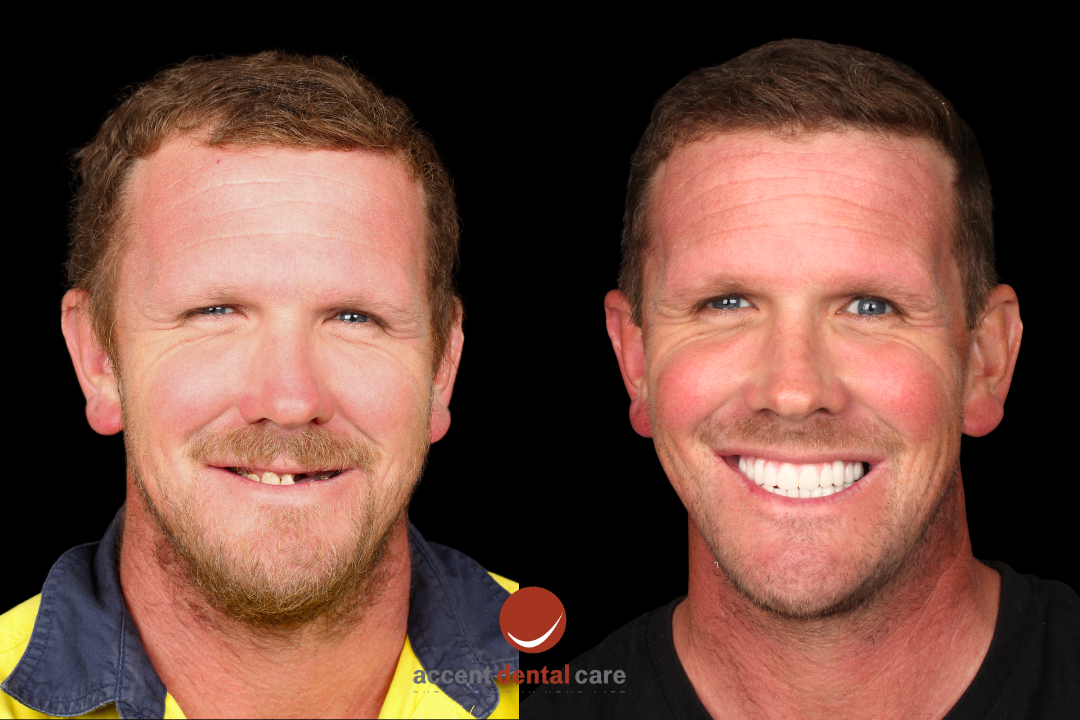
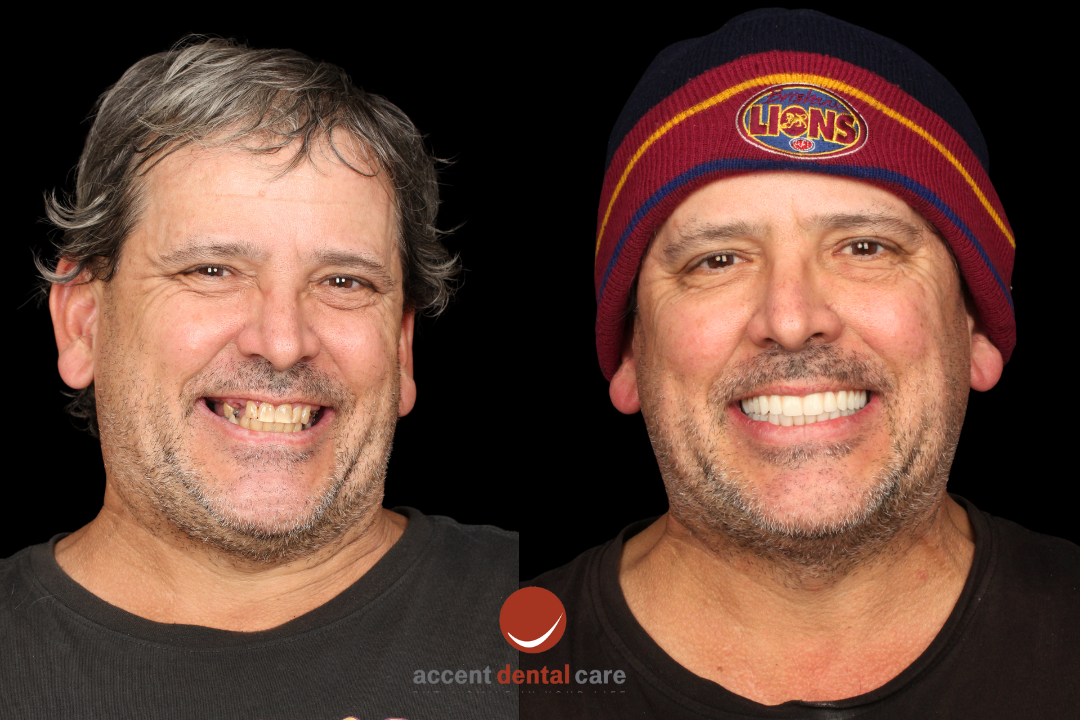
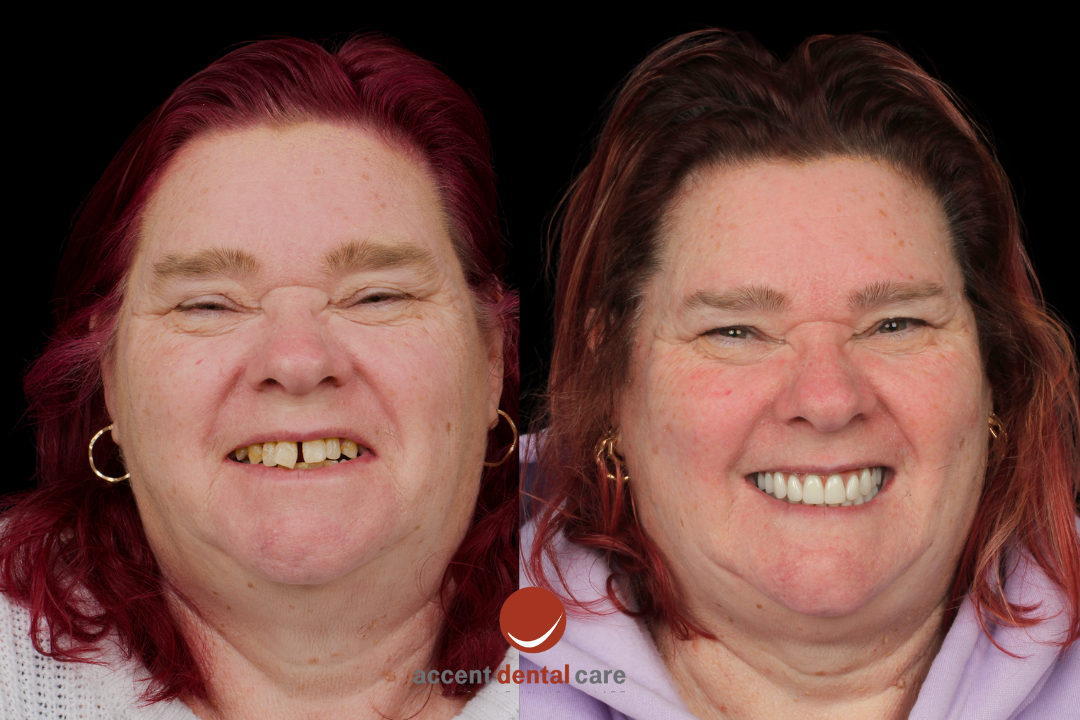
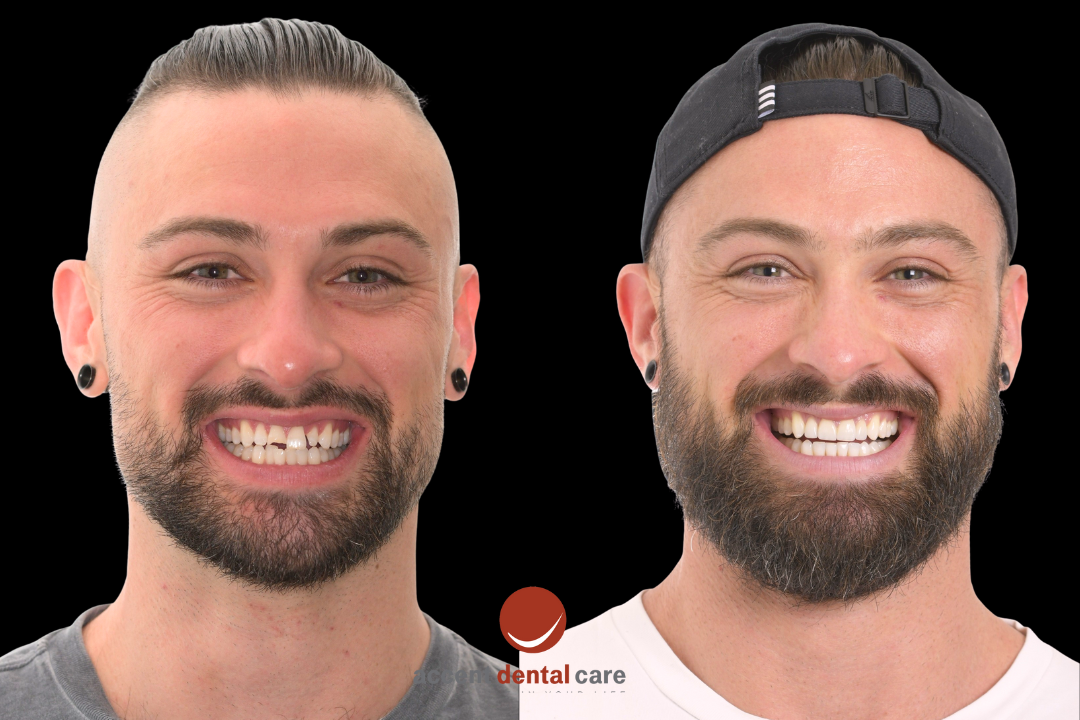
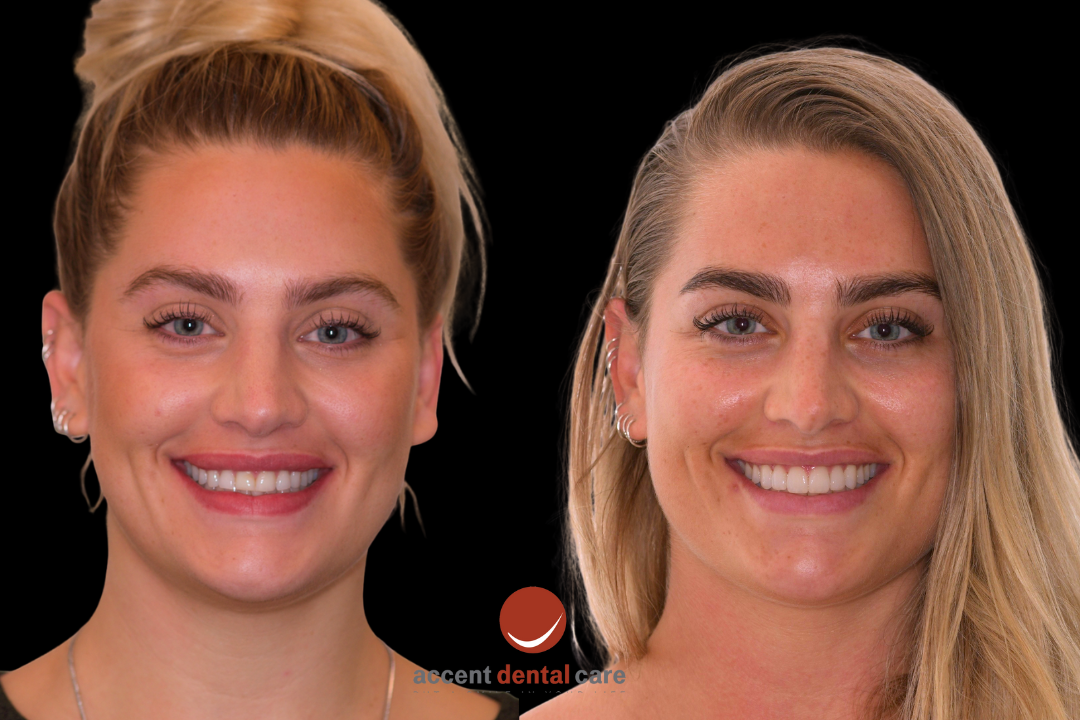
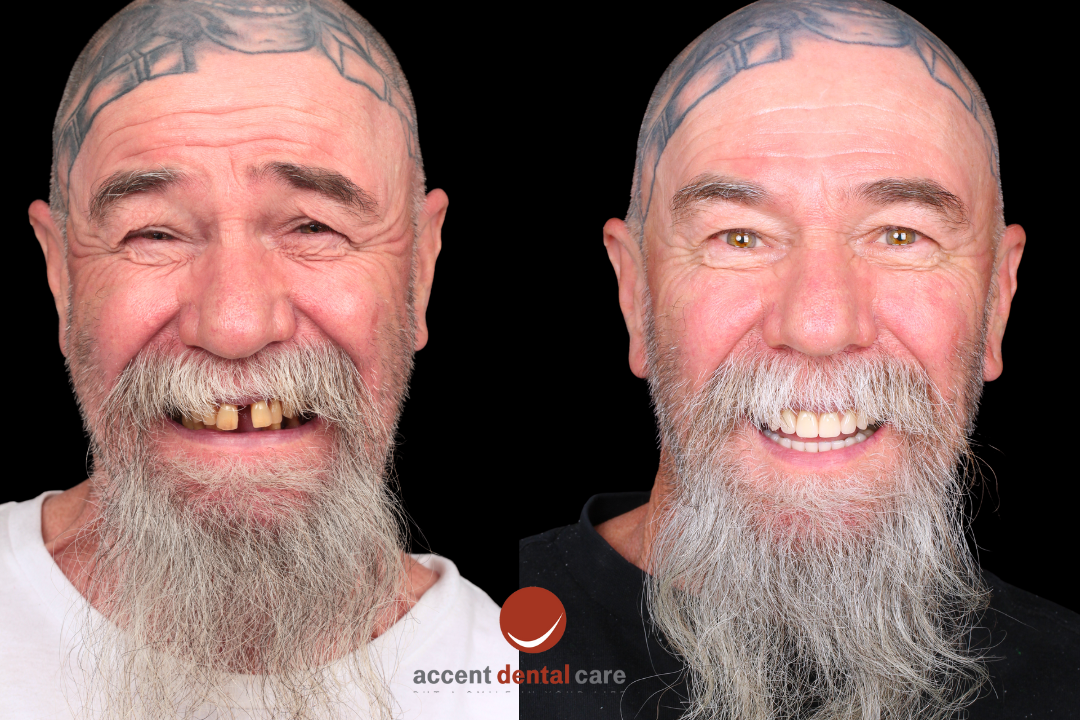
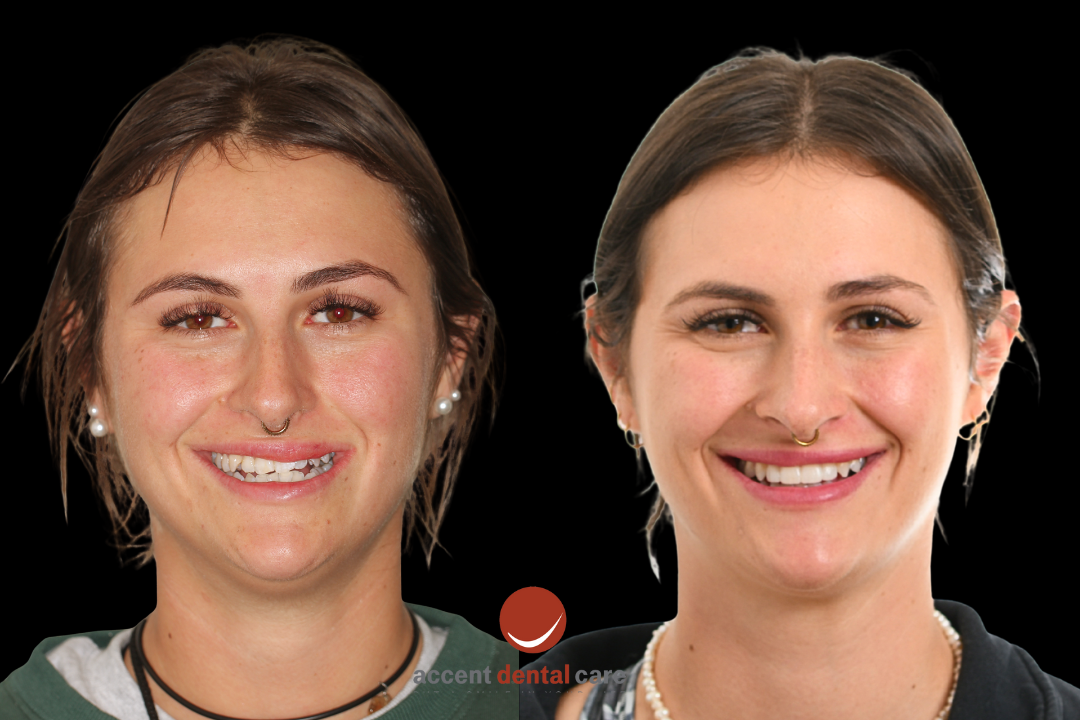
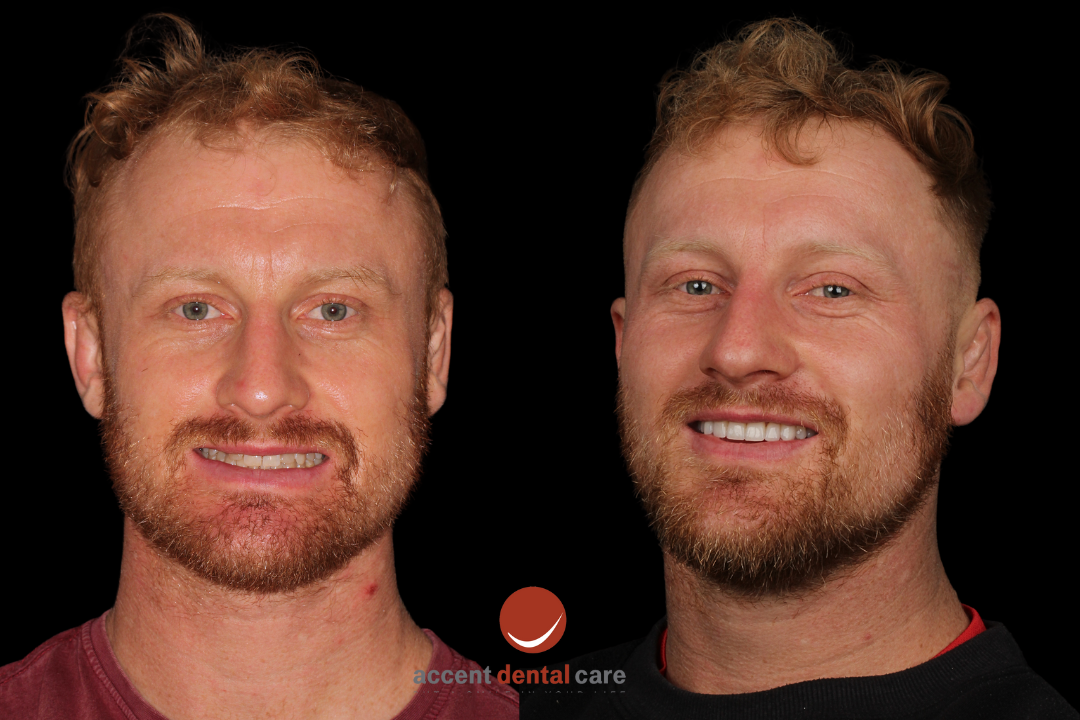
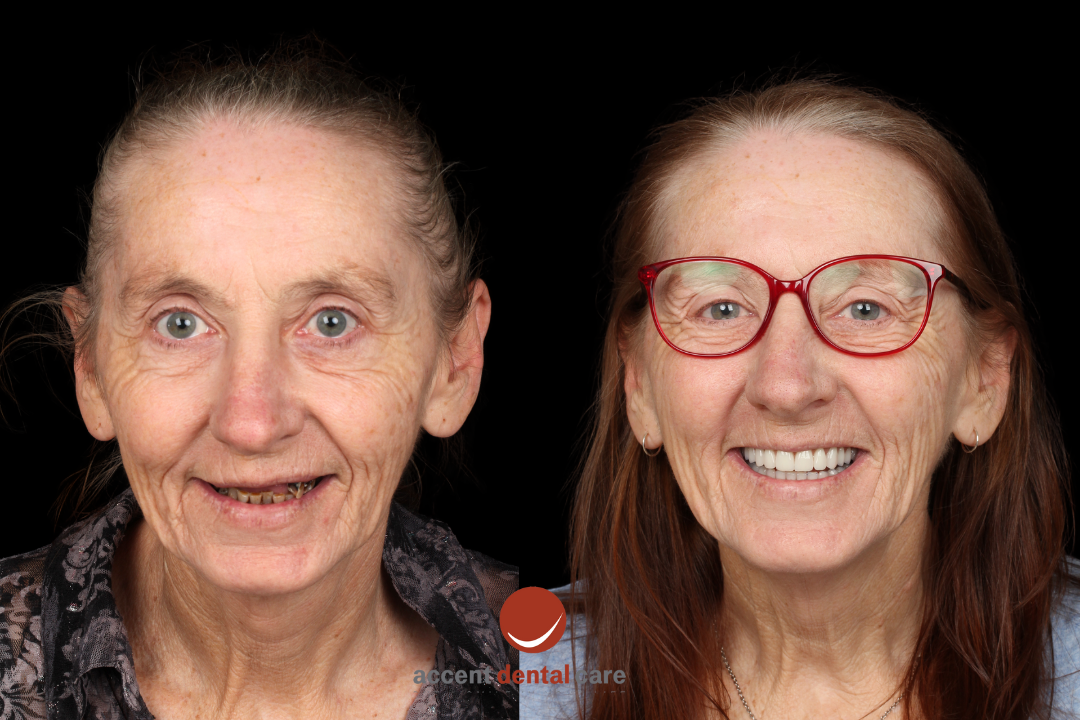
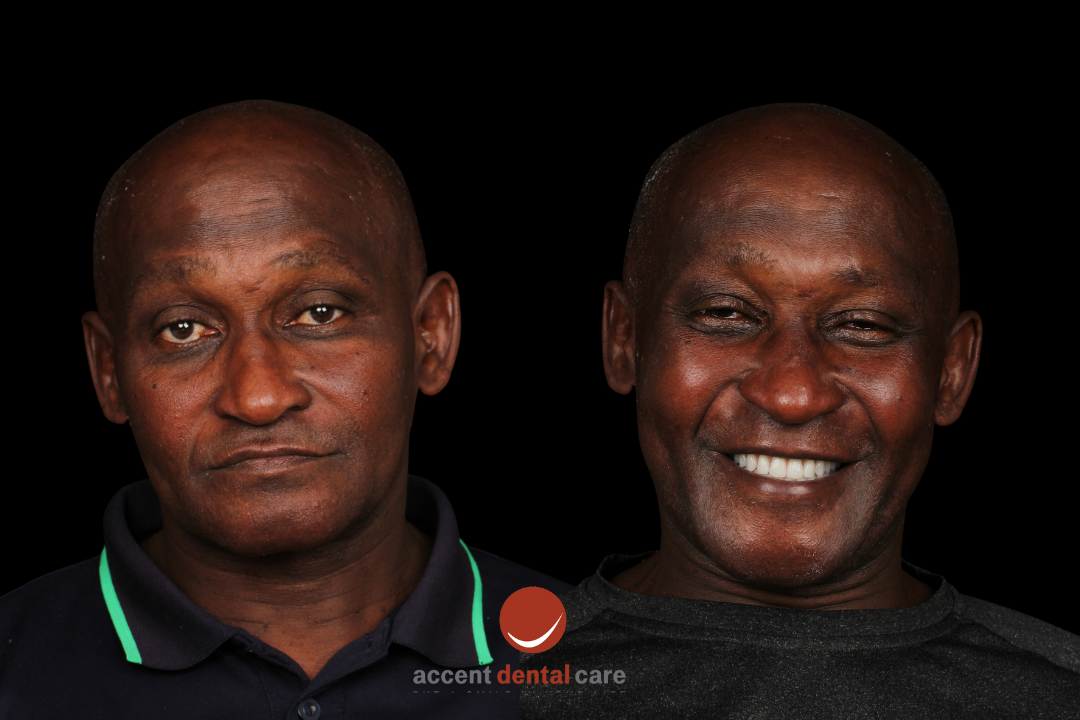
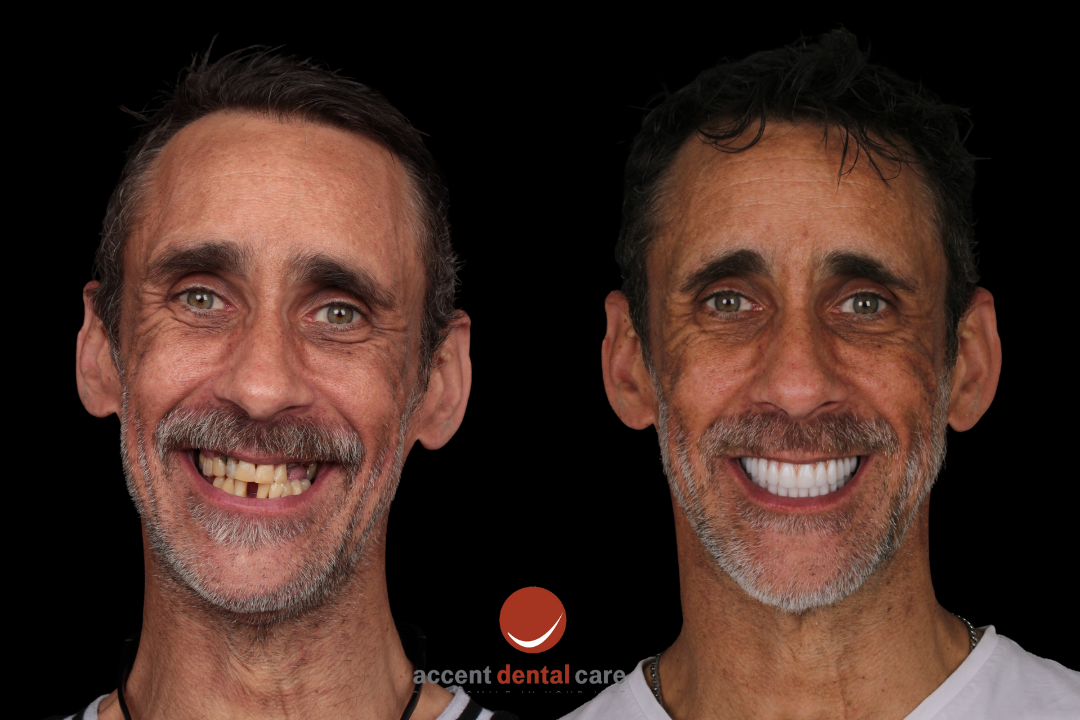
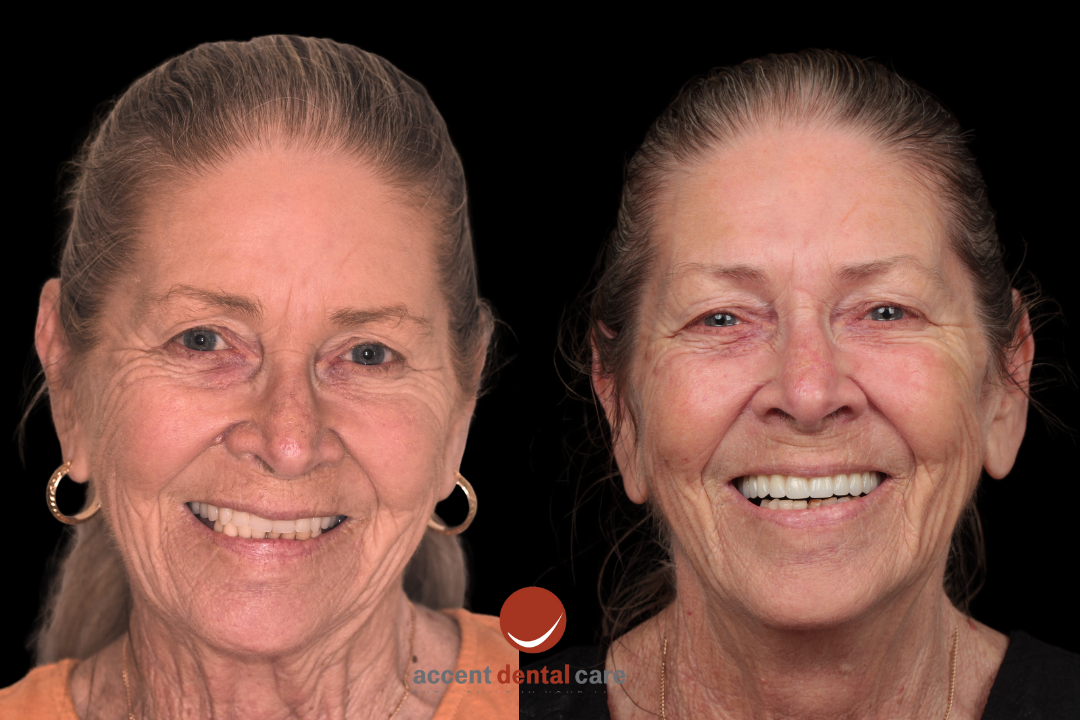
Before & Afters
Worn Teeth FAQs
-
Grinding, acidic foods, ageing, and abrasive brushing habits are common causes.
-
Enamel cannot be replaced naturally, so early intervention prevents further damage and sensitivity.
-
Sensitivity, chipping, flattening, shortening of teeth, and bite changes are typical signs.
-
Dentists use visual exams, digital scans, X-rays, and bite assessments.
-
Many patients benefit from splints, especially if grinding contributes to wear.
-
Most restorative procedures are comfortable, and dentists use techniques to ensure minimal discomfort.
-
Yes. Modern materials and digital techniques allow rebuilding of tooth shape, height, and function effectively.