
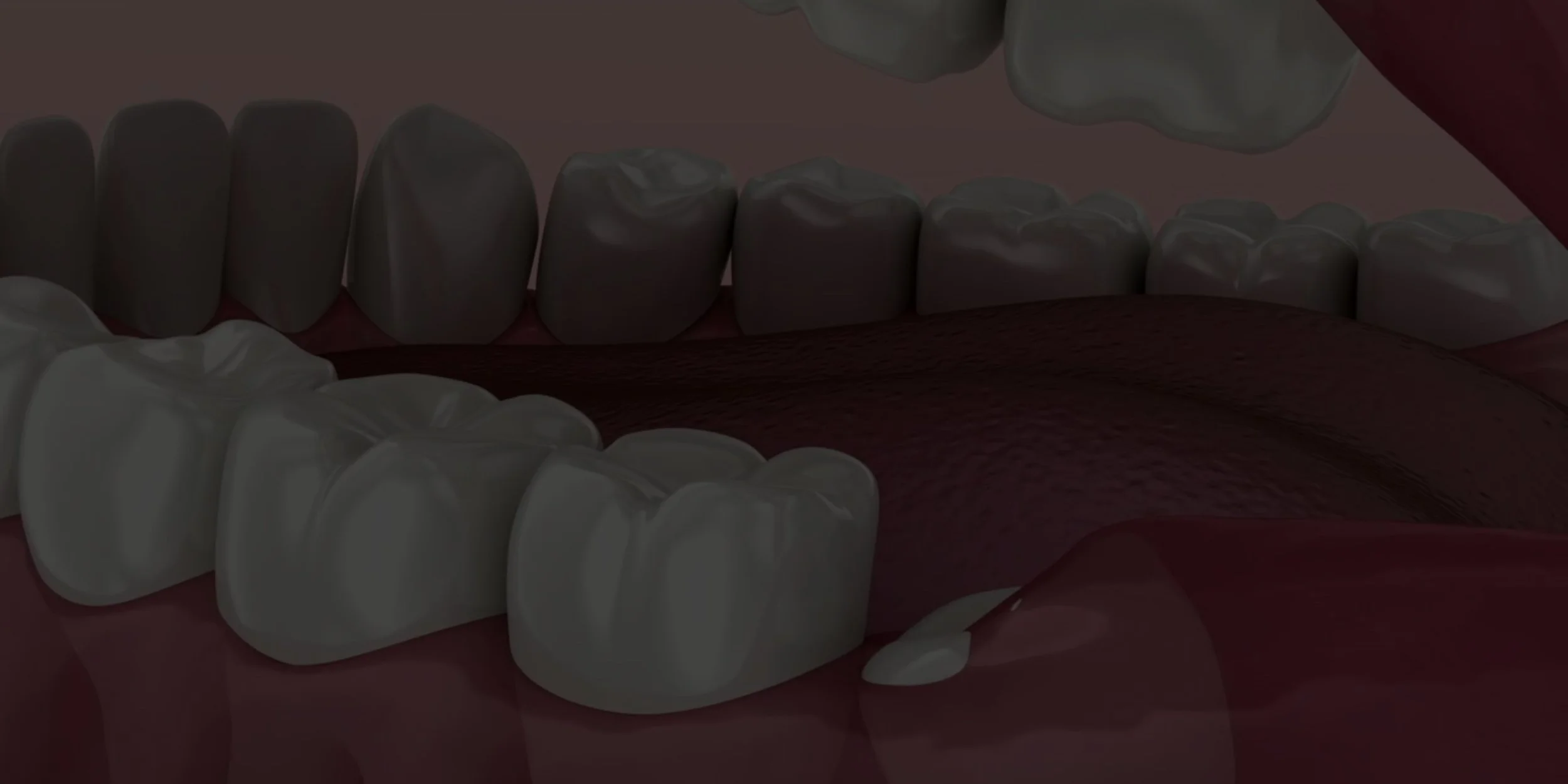
WISDOM TOOTH EXTRACTION & REMOVAL PERTH
Removing wisdom teeth can prevent pain, infection, and dental complications. Professional care ensures the procedure is safe, comfortable, and effective.
WISDOM TEETH REMOVAL PERTH
Wisdom teeth are the last or third molar in your mouth and generally develop between the ages of 16 and 26. Although extraction may not be necessary for all cases, choosing to keep your wisdom teeth can lead to various problems including pain, infection, periodontal disease and cysts. For these reasons, your dentist may advise you to remove your wisdom teeth. You may require removal for a variety of reasons, including:
Your wisdom teeth are impacting your other teeth
They’re causing pain or discomfort
They’re crowding your other teeth
They’re hard to clean and are causing decay or infection
They’re impacting your jaw
They haven’t emerged fully from your gums
In preparation for orthognathic surgery
All dental and surgical procedures carry risks. Treatment advice pending clinical suitability and consideration of alternative treatments. Before proceeding you may consider seeking a second opinion.
POST-OP INSTRUCTIONS
-
The length of time you experience numbness will vary, depending on the type of anaesthetic you have received. While your mouth is still numb be very careful not to bite your cheek, lip or tongue. You will most likely be numb for the remainder of the day, if your numbness does not subside in 1 week then contact the surgery on (08) 9226 1461
-
We place sterile cotton gauze on the extraction site to limit bleeding. The gauze should be left in place for 30 minutes after you leave us.
Do not chew on the pack
After 30 minutes take out pack and discard safely
Do not suck on the extraction site
Try to keep your tongue away from the site
If bleeding persists place a new gauze in for 30 minutes- firm pressure stops bleeding
-
After the extraction, a blood clot forms in the tooth socket, this clot is an important part of the normal healing process. You should therefore avoid activities that might disturb the clot
Do not smoke or drink alcohol for the week
Limit strenuous exercise for the week
-
Avoid hot food until the anaesthetic wears off, adhere to a soft diet for 3 days post extraction, avoid grainy foods, or foods that can get stuck in the sockets, e.g. Rice.
-
Do not rinse your mouth today. Tomorrow rinse gently with warm salt water at least four times per day for one week, especially after meals. Rinse with Savacol (20 mls) morning and evening after oral hygiene routine.
-
Continue to brush all your other teeth as normal, using gentle technique around the extraction sites.
-
You have dissolvable sutures placed in your mouth (unless otherwise directed) and they will fall out in a few days to 2 weeks.
-
Do not drive or operate heavy machinery for 24 hours.
-
Swelling and bruising is normal and will reach its maximum after 3-4 days. Place ice packs on your face immediately following your surgery and continue for 24-48 hours
-
To minimise pain please follow this protocol strictly unless directed otherwise by your anaesthetist, doctor or are unable to take the following medications:
Commence Ibuprofen, then 2 hours later take Paracetamol, then 2 hours after take Ibuprofen, then 2 hours later take Paracetamol – continue this staggered approach for 1 week.
If prescribed medications from your anaesthetist disregard this and follow their instructions.
If issued antibiotics, continue until course is completed
If you have any concerns call Accent Dental Care on (08) 9226 1461
WHY CHOOSE ACCENT DENTAL
Our team are highly experienced in performing a wide range of procedures, including wisdom teeth removal. We can conduct this procedure under local anaesthesia, oral sedation, intravenous sedation or general anaesthesia.
Principal dentist, Dr. Daniel Abbondanza reserves lists at Southbank Day Surgery and Hedland Health Campus, and performs wisdom tooth extractions on a regular basis. However, more simple extractions can be completed in the dental surgery under local or intravenous sedation. We can accommodate patients quickly and efficiently, allowing them to resume their normal lives as quickly as possible.

SPEAK TO OUR FRIENDLY TEAM TODAY
If you’re in need of wisdom teeth removal in Perth, be sure to talk to our experienced team at Accent Dental. Upon your initial consultation, we’ll be able to give you plenty of information regarding any risks and concerns you may have.
If you haven’t had your wisdom teeth removed, it may be worth getting checked to see if they are coming through, as they can often be removed before they surface. Make sure to book an appointment and ask your dentist about our wisdom tooth extraction today.
UNDERSTANDING WISDOM TOOTH EXTRACTION
Wisdom teeth are the last molars to develop, usually between ages 16 and 26. While not everyone requires extraction, impacted or problematic wisdom teeth can cause pain, infection, crowding, decay, or jaw complications.
At Accent Dental Care, we assess each patient’s teeth carefully using diagnostic imaging to determine the best course of action. Components of our wisdom tooth extraction service include a thorough oral examination, imaging, anaesthesia selection, surgical removal, and post-operative care, ensuring a safe and smooth procedure for every patient.
CHOOSE WISDOM TOOTH EXTRACTION AT ACCENT DENTAL CARE
Choosing Accent Dental Care for wisdom tooth extraction means receiving care from experienced professionals who perform both simple and complex extractions efficiently. We offer services including local anaesthesia, oral sedation, intravenous sedation, and general anaesthesia, depending on patient needs. Our team manages all aspects of the procedure, from initial assessment to post-operative follow-up, prioritising patient comfort, safety, and rapid recovery.
Experienced Dentists
Skilled in performing both simple and complex wisdom tooth extractions.
Multiple Anaesthesia Options
Local, oral, IV sedation, or general anaesthesia for patient comfort.
Comprehensive Care
Full support from consultation to post-operative follow-up.
Patient Comfort Focus
Minimising pain and stress during every step of the procedure.
BENEFITS OF WISDOM TOOTH
EXTRACTION
Wisdom tooth removal offers significant oral health benefits, preventing future dental issues and ensuring long-term comfort.
Prevents infection and abscesses
Removing problematic teeth reduces the risk of painful infections and abscess formation.
Reduces overcrowding
Extraction prevents pressure on adjacent teeth, maintaining proper alignment.
Minimises tooth decay risk
Difficult-to-clean wisdom teeth are prone to decay; removal protects overall oral health.
Prevents gum disease
Extracting impacted teeth reduces areas where bacteria can accumulate, lowering gum disease risk.
Alleviates pain and discomfort
Removal addresses existing pain or prevents potential future discomfort.
Promotes easier oral hygiene
Fewer hard-to-reach areas make daily cleaning more effective and convenient.
Supports orthodontic outcomes
Wisdom tooth removal may be necessary for successful orthodontic treatment or jaw alignment.
Ensures safer oral surgery experience
Professional care ensures proper anaesthesia, sterile technique, and guided recovery.
TREATMENT PROCESS AT Accent Dental Care
 01.
01.
Initial Consultation & Examination
Assessment of wisdom teeth, jaw, and oral health to determine extraction necessity.
 02.
02.
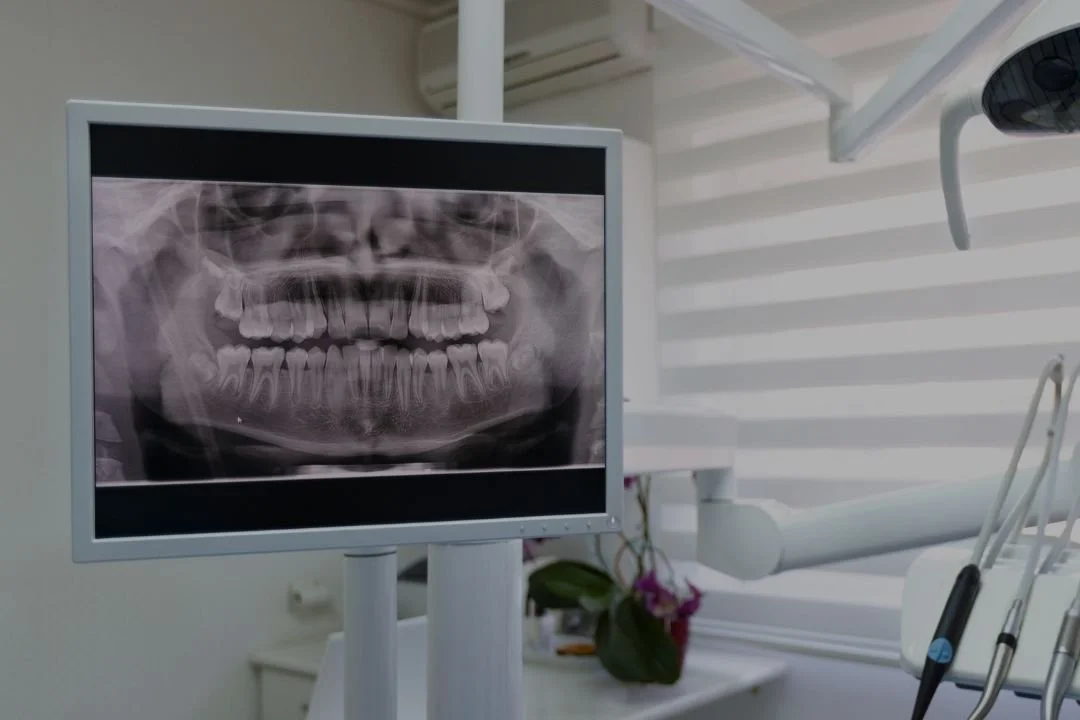
X-rays or Digital Scans
Imaging identifies tooth position, root structure, and potential complications.
 03.
03.
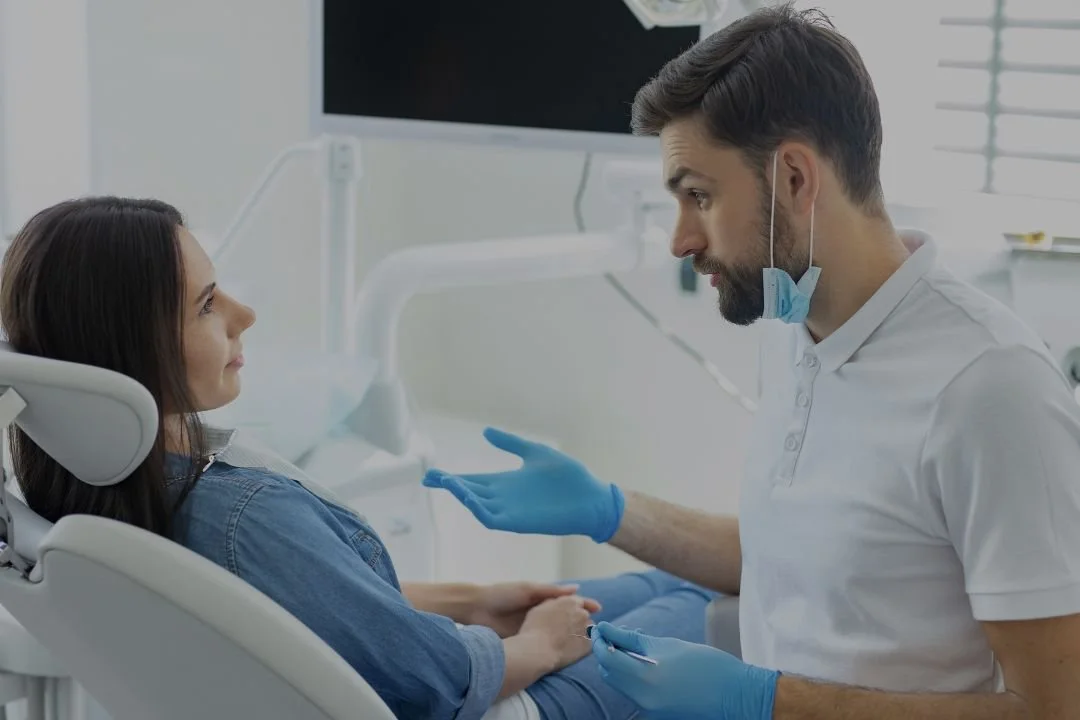
Personalised Treatment Plan
Tailored plan including anaesthesia type, surgical approach, and post-operative care.
 04.
04.
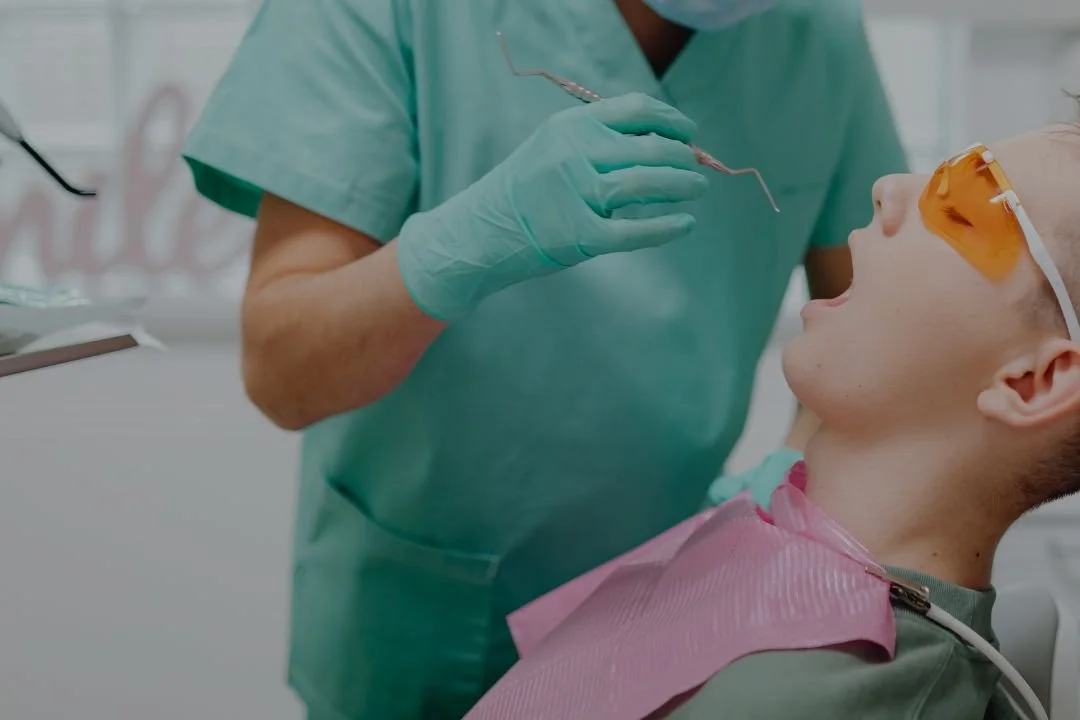
Treatment Procedure
Extraction performed using the selected anaesthesia method, ensuring comfort and precision.
 05.
05.
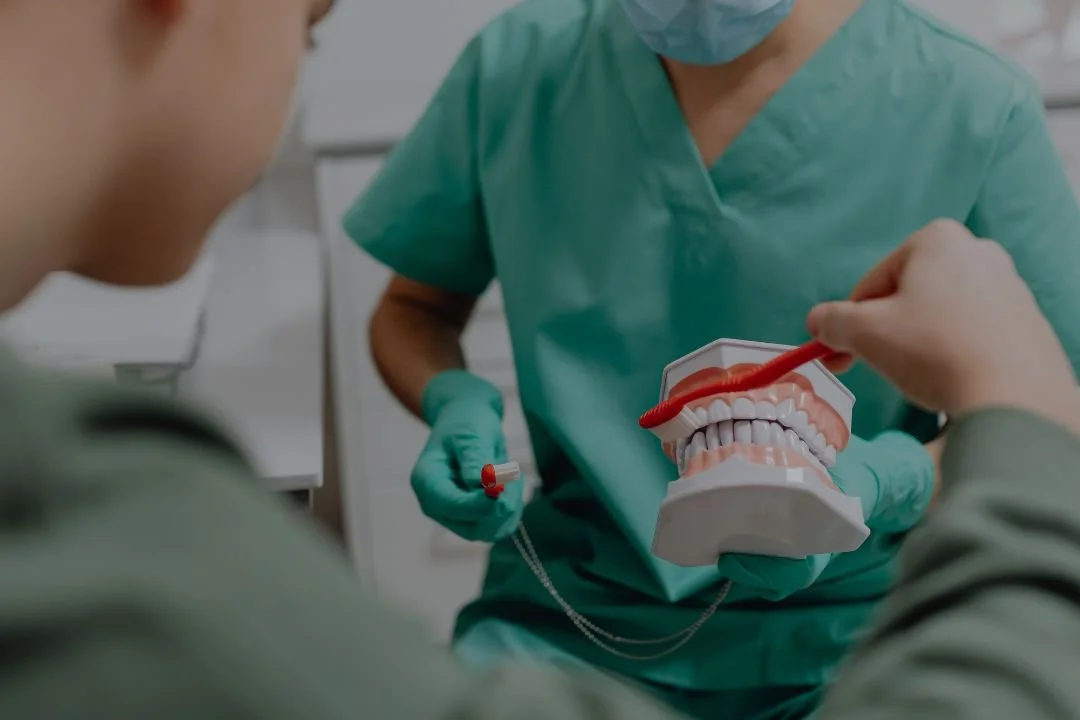
Aftercare & Follow-Up
Post-op guidance includes pain management, diet recommendations, cleaning instructions, and follow-up appointments.
Types of Wisdom Tooth Extraction Services
-
Performed on fully erupted teeth under local anaesthesia, ideal for straightforward cases.
-
Used for impacted or partially erupted teeth, may involve minor bone removal for safe extraction.
Wisdom Tooth Extraction FAQs
-
Most extractions occur between 16 and 26, depending on tooth development and risk of complications.
-
Anaesthesia and sedation options ensure minimal discomfort during the procedure.
-
Initial healing takes 3–5 days, with full recovery in 1–2 weeks depending on the complexity.
-
Simple extractions can be, but impacted or complex teeth may require sedation or general anaesthesia.
-
Soft foods like soups, yogurt, and mashed vegetables are recommended; avoid hard, grainy, or hot foods.
-
Follow post-op instructions, maintain oral hygiene, avoid disturbing the blood clot, and take prescribed medications.
-
If bleeding persists, swelling worsens, numbness lasts over a week, or you experience severe pain or fever.