
SLEEP DENTISTRY PERTH
Sleep dentistry, also known as sedation dentistry, helps patients feel relaxed and comfortable during dental procedures.
Sedation Dentistry or Sleep Dentistry is a procedure where the patient is medicated in order to feel relaxed if they are anxious or nervous. It is also used for certain procedures such as wisdom teeth extractions.
The patient can be semi-conscious or unconscious during procedures. At Accent Dental Care we use a variety of options for sedation dentistry such as:
INTRAVENOUS (IV) SEDATION
Intravenous sedation, also known as IV sedation is another form of sedation dentistry, anaesthesia is injected into a patient’s blood stream by a Anaesthetist. The patient feels drowsy, may sleep during the procedure, but is still able to interact with their dentist and other staff.
The patient can be semi-conscious or unconscious during procedures. At Accent Dental Care we use a variety of options for sedation dentistry such as local anaesthesia, inhalation sedation (Nitrous), oral sedation, intravenous sedation or general anaesthesia.
Principal dentist, Dr. Daniel Abbondanza reserves lists at Southbank Day Surgery, Westminster day Surgery and Hedland Health Campus, and performs wisdom tooth extractions on a regular basis. However, more simple extractions can be completed in the dental surgery under local or intravenous sedation. We can accommodate patients quickly and efficiently, allowing them to resume their normal lives as quickly as possible.
All dental and surgical procedures carry risks. Treatment advice pending clinical suitability and consideration of alternative treatments. Before proceeding you may consider seeking a second opinion.
BOOK AN APPOINTMENT WITH OUR SEDATION DENTIST TODAY
UNDERSTANDING SLEEP DENTISTRY
Sleep dentistry involves using sedation or anaesthesia to help patients remain calm and comfortable during dental procedures. It is needed for patients with dental anxiety, a strong gag reflex, or for those undergoing lengthy or complex treatments such as wisdom tooth extraction. Common issues treated include severe dental anxiety, multiple fillings or restorations, surgical procedures, and tooth extractions.
Patients of all ages may benefit, though it is most often used in adults or children with significant anxiety or special needs. Diagnostic steps include a thorough dental examination, review of medical history, and assessment of the patient’s suitability for sedation. Sleep dentistry generally involves clinical exams, imaging if necessary, administration of sedation (local, inhalation, oral, IV, or general anaesthesia), performing the dental procedure safely, and aftercare instructions to ensure full recovery.
CHOOSE SLEEP DENTISTRY AT ACCENT DENTAL CARE
At Accent Dental Care, we provide expert sleep dentistry services to ensure patients can undergo necessary treatments comfortably and safely. Our team uses modern sedation techniques tailored to each patient’s needs, ensuring minimal stress and maximum care during procedures.
Experienced Dentists
Our dentists are trained in sedation dentistry and regularly perform procedures such as wisdom tooth extractions and complex restorative treatments.
Multiple Anaesthesia Options
We offer local anaesthesia, inhalation sedation (Nitrous Oxide), oral sedation, intravenous (IV) sedation, and general anaesthesia to suit each patient’s needs.
Comprehensive Care
From initial consultation to follow-up, we manage every aspect of your dental procedure under sedation.
Patient Comfort Focus
Our goal is to reduce anxiety, maintain safety, and ensure a smooth, stress-free dental experience.
BENEFITS OF
SLEEP DENTISRY
Sleep dentistry provides numerous advantages for patients who are anxious or undergoing extensive dental procedures.
Reduced
Anxiety
Sedation helps patients remain calm and relaxed during treatment.
Ideal for Complex
Treatments
Extensive procedures such as multiple extractions or surgical interventions are easier under sedation.
Pain-Free
Experience
Local or general anaesthesia ensures procedures are comfortable and virtually painless.
Safe for Nervous
Patients
Controlled sedation reduces stress, making it suitable even for patients with dental phobia.
Improved Patient
Cooperation
Sedation helps patients who have difficulty sitting through dental treatments.
Faster
Procedures
Patients remain still, allowing dentists to work efficiently and safely.
Customised Sedation
Levels
Patients can be semi-conscious or fully unconscious depending on the procedure and needs.
Efficient
Recovery
Sedation allows patients to return to daily activities quickly under professional guidance.
TREATMENT PROCESS AT Accent Dental Care
 01.
01.
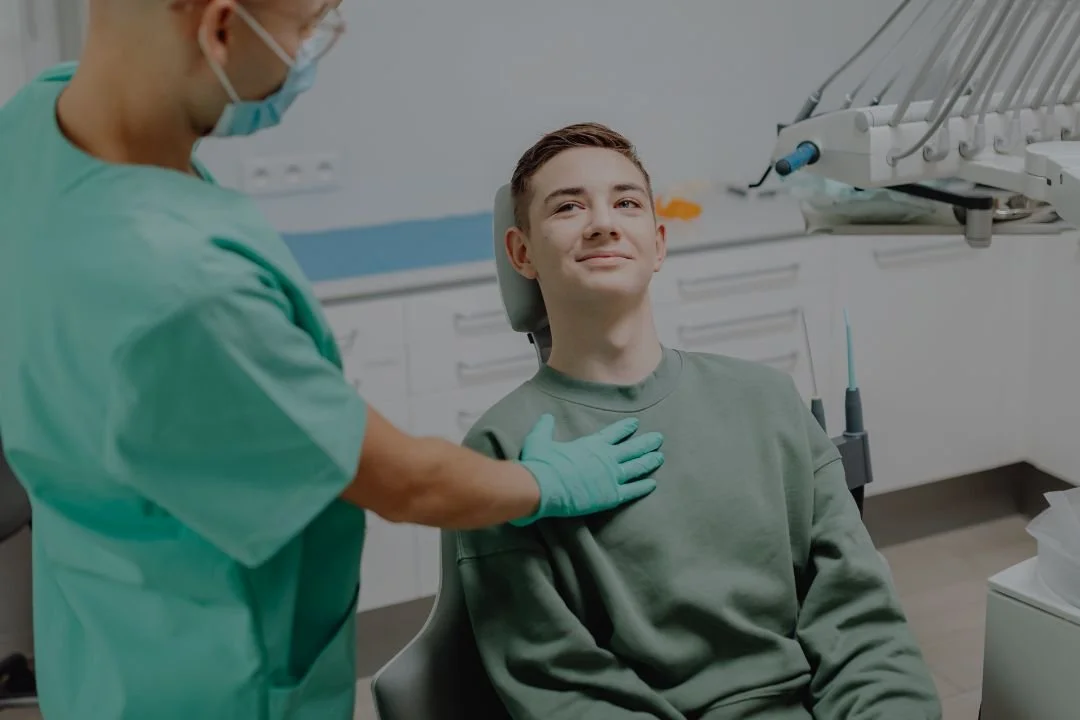
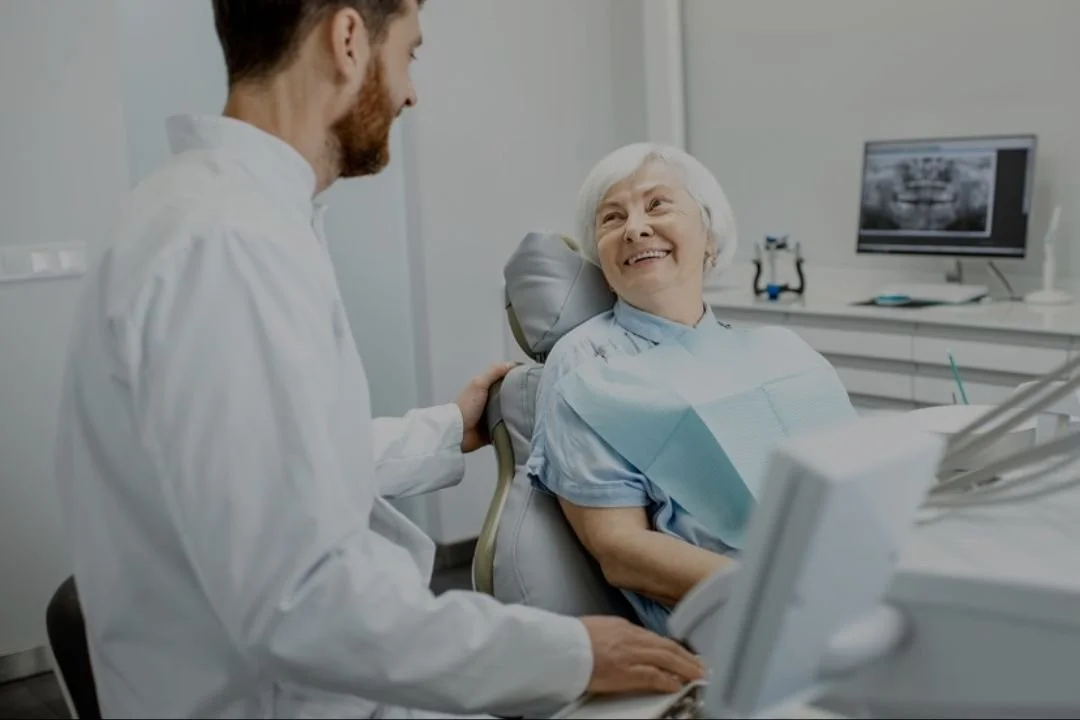
Initial Consultation & Examination
The dentist evaluates your oral health, medical history, and suitability for sedation.
 02.
02.
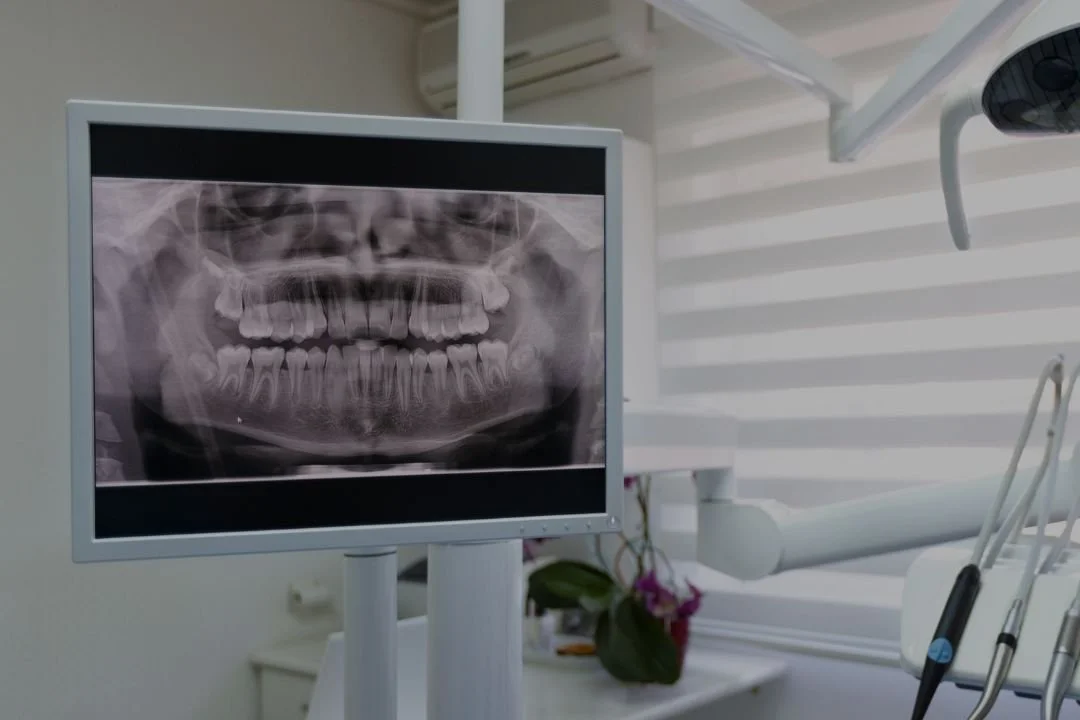
X-rays or Digital Scans
Imaging is used to assess the teeth and surrounding structures for accurate treatment planning.
 03.
03.
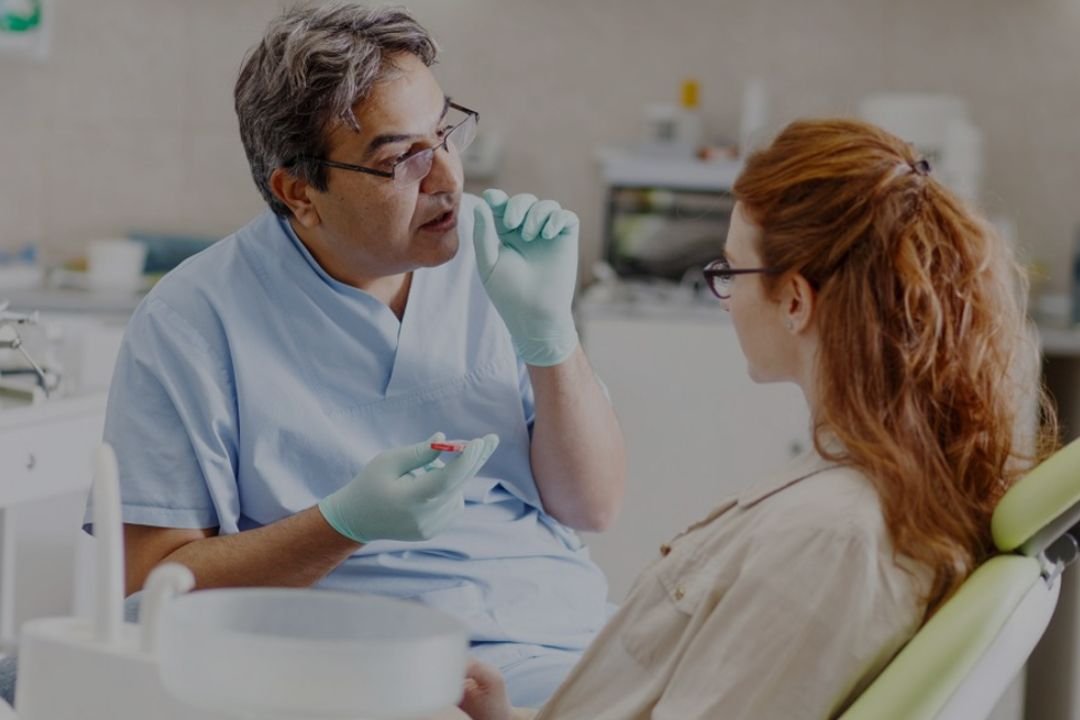
Personalised Treatment Plan
A sedation method is selected and a treatment plan is tailored to your specific procedure and needs.
 04.
04.
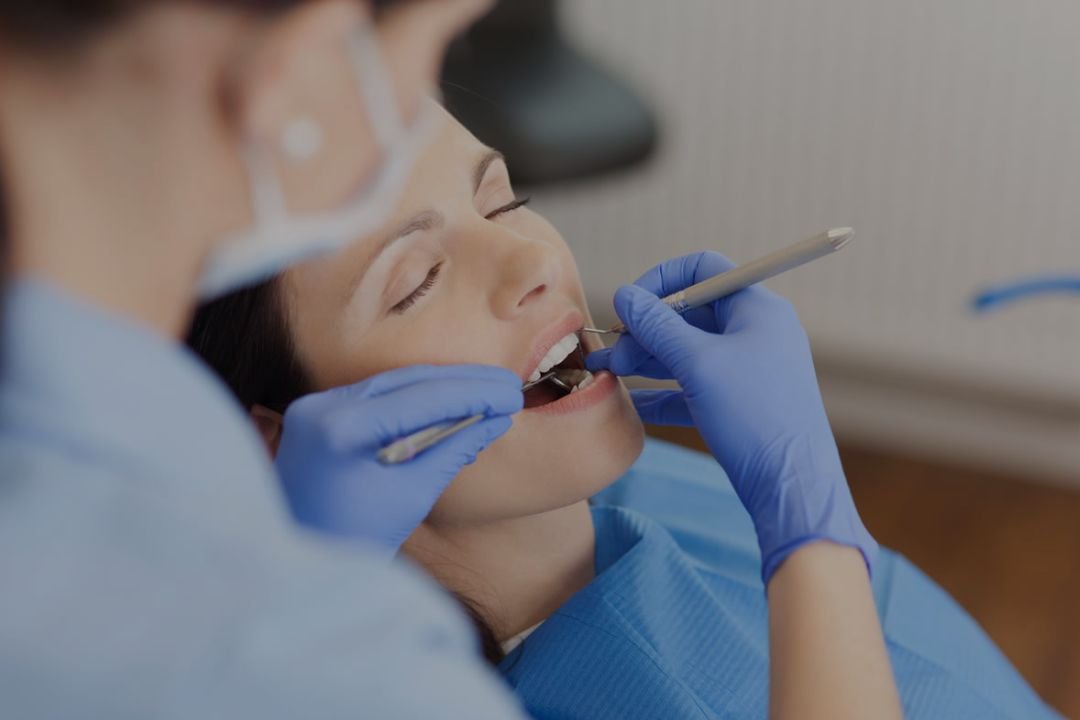
Treatment Procedure
Sedation is administered safely, and the dental procedure is performed with patient comfort as the priority.
 05.
05.
Aftercare & Follow-Up
Post-procedure instructions are provided, and follow-up appointments ensure proper healing.
Types of Sleep Dentistry Services
-
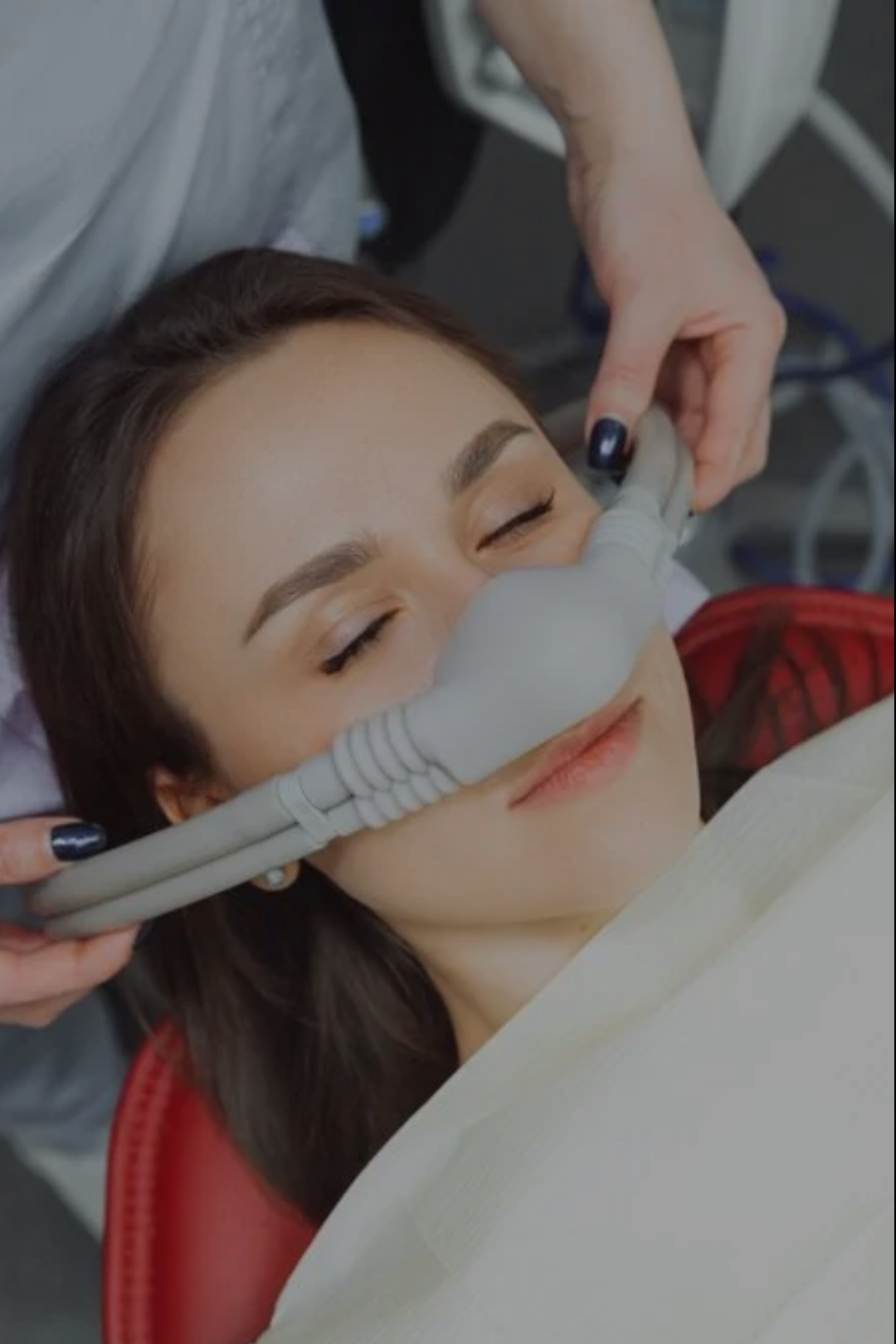
Patient breathes a mild sedative gas, staying relaxed while remaining awake. Ideal for mild anxiety or routine procedures.
-
Sedative medication is taken orally, making patients drowsy but responsive. Suitable for moderate anxiety or longer procedures.
-
Sedation is administered via an IV by an anaesthetist, or full general anaesthesia is used for major procedures like complex extractions. Patients may be semi-conscious or fully unconscious.
Sleep Dentistry FAQs
-
Yes. It is performed by trained professionals and monitored throughout the procedure.
-
No. Sedation and anaesthesia ensure a comfortable, pain-free experience.
-
Yes. It is safe for children with dental anxiety or special needs under professional supervision.
-
Recovery time varies depending on the sedation type, but most patients return to normal activities the same day with guidance.
-
No. Patients are advised to have a responsible adult accompany them home after sedation or general anaesthesia.
-
It is ideal for complex or lengthy procedures and patients with anxiety. Simple procedures may only require minimal sedation.
-
Your dentist will assess your anxiety level, medical history, and procedure needs to recommend the safest and most effective option.